

Report on the CLOTECH 2026 Conference
On 16–18 September 2026, I participated in the international CLOTECH 2026 conference, which was held at the Silesian Academy in Katowice. As a specialist involved in clothing technology as well as human body scanning and analysis, I was particularly interested in topics related to the digitalization of design, anthropometry, garment fit, and the interaction between the human body and the garment.
Day One – Digital Design and Body Analysis
The first day focused on modern technologies used in clothing design and production. The use of digital tools, 3D modeling, and body scanning was particularly interesting.
From the perspective of clothing technology, 3D scanning is a highly valuable tool that enables the acquisition of accurate data concerning the human body structure. This data can then be used in garment construction, fit analysis, and the creation of digital body models.
Another interesting direction is rapid prototyping, which makes it possible to move more quickly from a digital design to a prototype and to verify its construction. Combined with body scanning, this provides an opportunity for more precise design and for reducing the number of traditional fittings.
Day Two – Clothing–Body Interaction
The second day was particularly interesting to me because it focused on Clothing–Body Interaction, that is, the mutual interaction between clothing and the human body.
In this area, 3D and 4D scanning are of particular importance. 3D scanning makes it possible to obtain a spatial representation of the body, while 4D technologies additionally enable the analysis of changes occurring during movement. This is extremely important when assessing garment fit, as the human body is not static.
From a clothing perspective, it is important not only to determine basic anthropometric dimensions, but also to analyze posture, body proportions, range of motion, and changes occurring in the body during activity. This makes it possible to better assess whether the garment construction corresponds to the user's actual body structure and way of moving.
Computer simulations are also of great importance, as they make it possible to analyze material deformation, stresses, and garment behavior during movement. Such solutions may significantly improve the process of garment construction and fitting in the future.
Day Three – Application of Technology in Practice
The third day made it possible to look at the presented technologies from the perspective of their practical application. Topics related to functional and protective clothing as well as smart textiles were particularly interesting.
In the case of specialized clothing, proper fit has a direct impact on the user's comfort, ergonomics, and safety. Therefore, the use of anthropometric data, scanning, and digital body analysis can be of great importance when designing clothing for specific user groups.
Another important topic was garment personalization. The development of scanning technologies makes it possible to gradually move away from designing solely on the basis of standard size charts and to use actual data concerning body structure.
Summary
Participation in CLOTECH 2026 allowed me to look at contemporary clothing technology from the perspective of combining anthropometry, 3D/4D scanning, garment construction, and digital design.
What was most valuable to me was the demonstration that body scanning can be much more than just a method of obtaining human body measurements. When used appropriately, the data can be used for fit analysis, the design of individualized clothing, the assessment of garment behavior during movement, and the creation of digital user models.
The conference also confirmed that the future of clothing technology will be increasingly connected with digitalization, personalization, and the use of actual anthropometric data. The combination of scanning, 3D technologies, computer simulations, and garment construction expertise provides an opportunity to create clothing that is better suited to the actual body structure and needs of the human being.
From my perspective, the direction in which the human being and their actual body shape become the starting point for garment design, rather than merely the recipient of a finished product, is particularly important. I consider the combination of scanning technology, anthropometry, and garment construction to be one of the most promising directions for the development of the contemporary clothing industry.

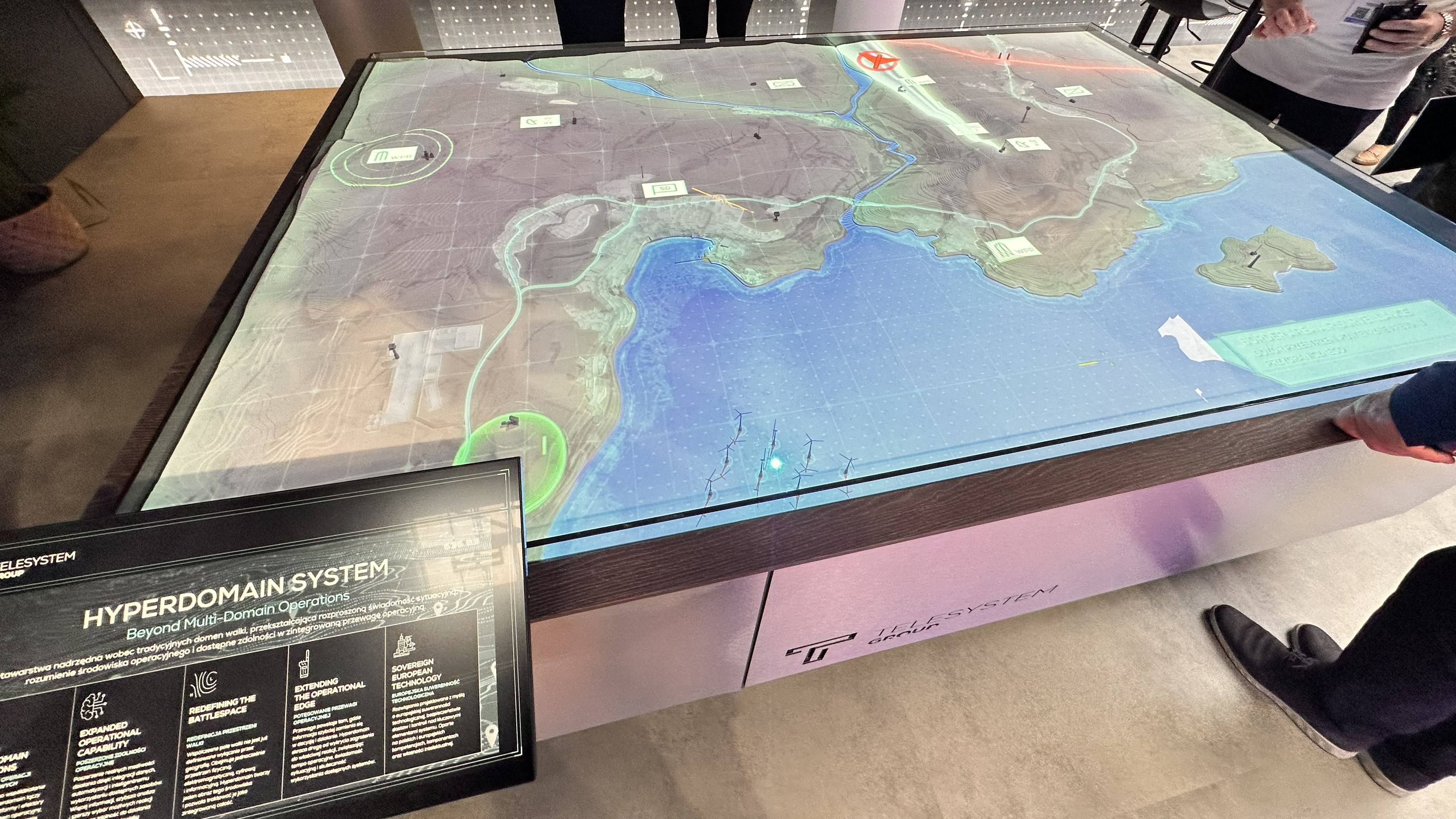
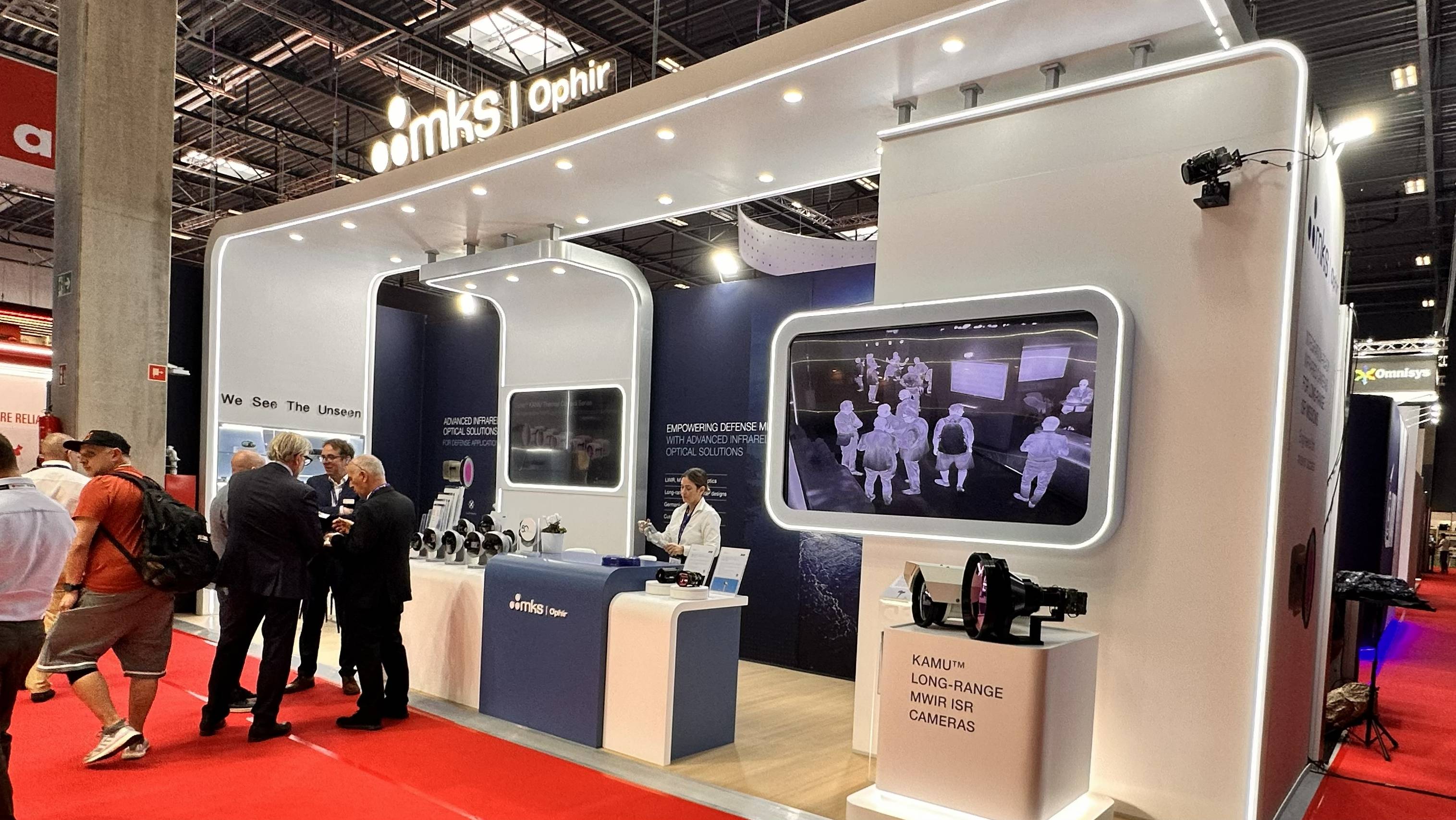
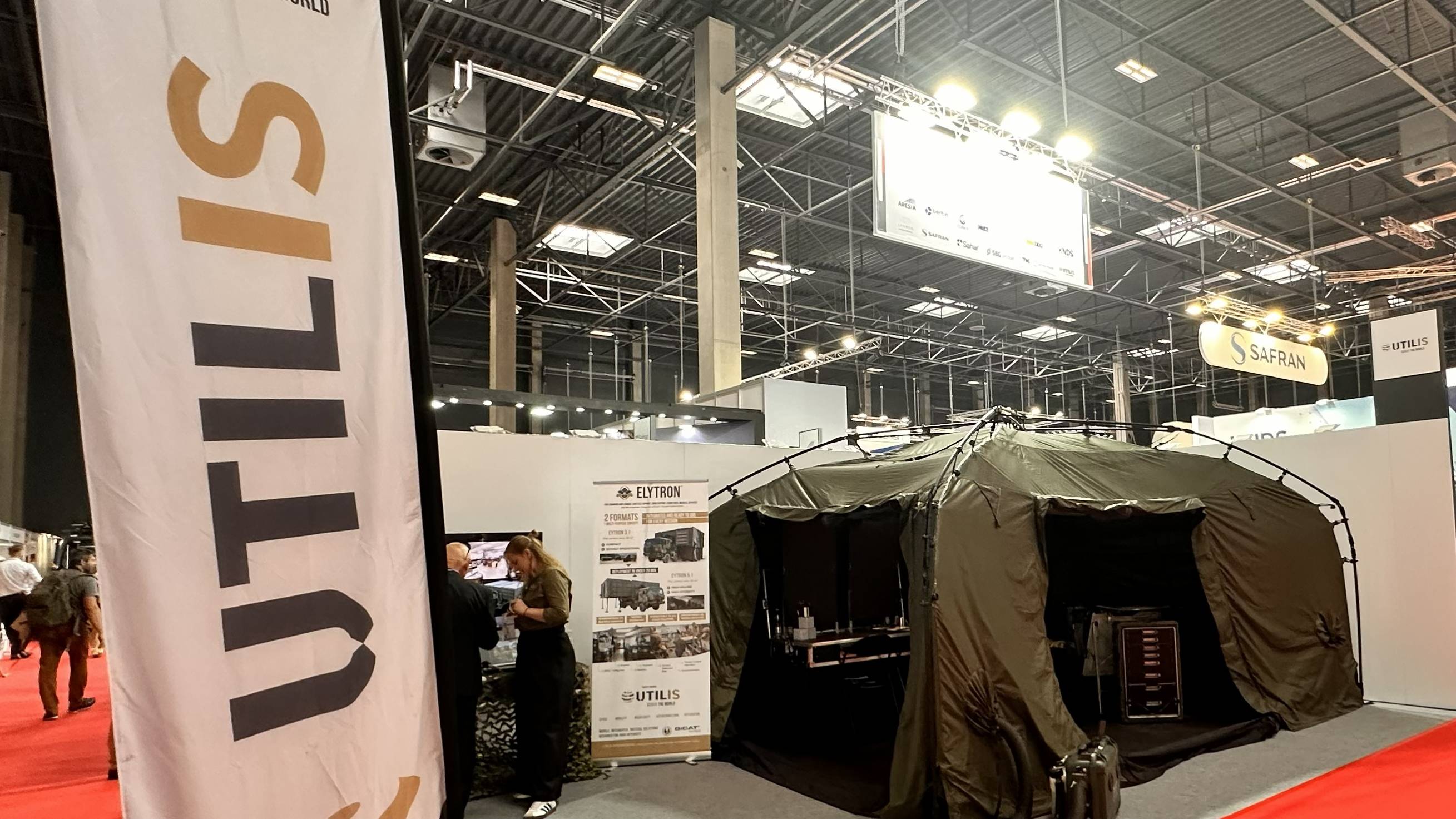
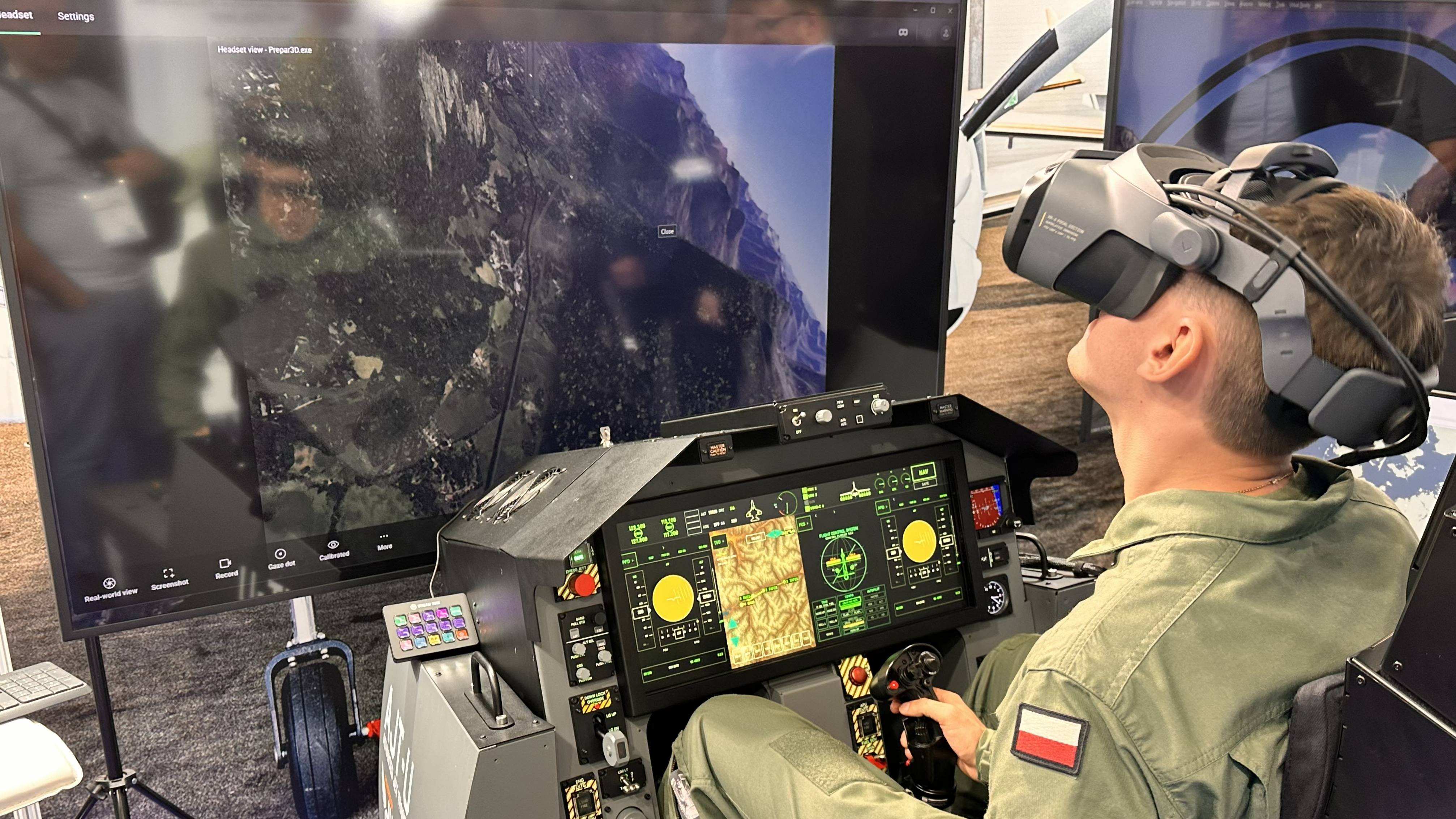
The Technological Race for the Future: Man and Machine on the New Battlefield
In no other field is technology currently evolving as dynamically as in the military sector.
Global tensions are fueling a new, ruthless arms race, where advantage is no longer decided
solely by the size of an army, but above all by the speed of design and the lightning-fast
implementation of innovation into production. In this world, seconds saved at the
decision-making stage translate directly into lives on the front line.It is here in Poland,
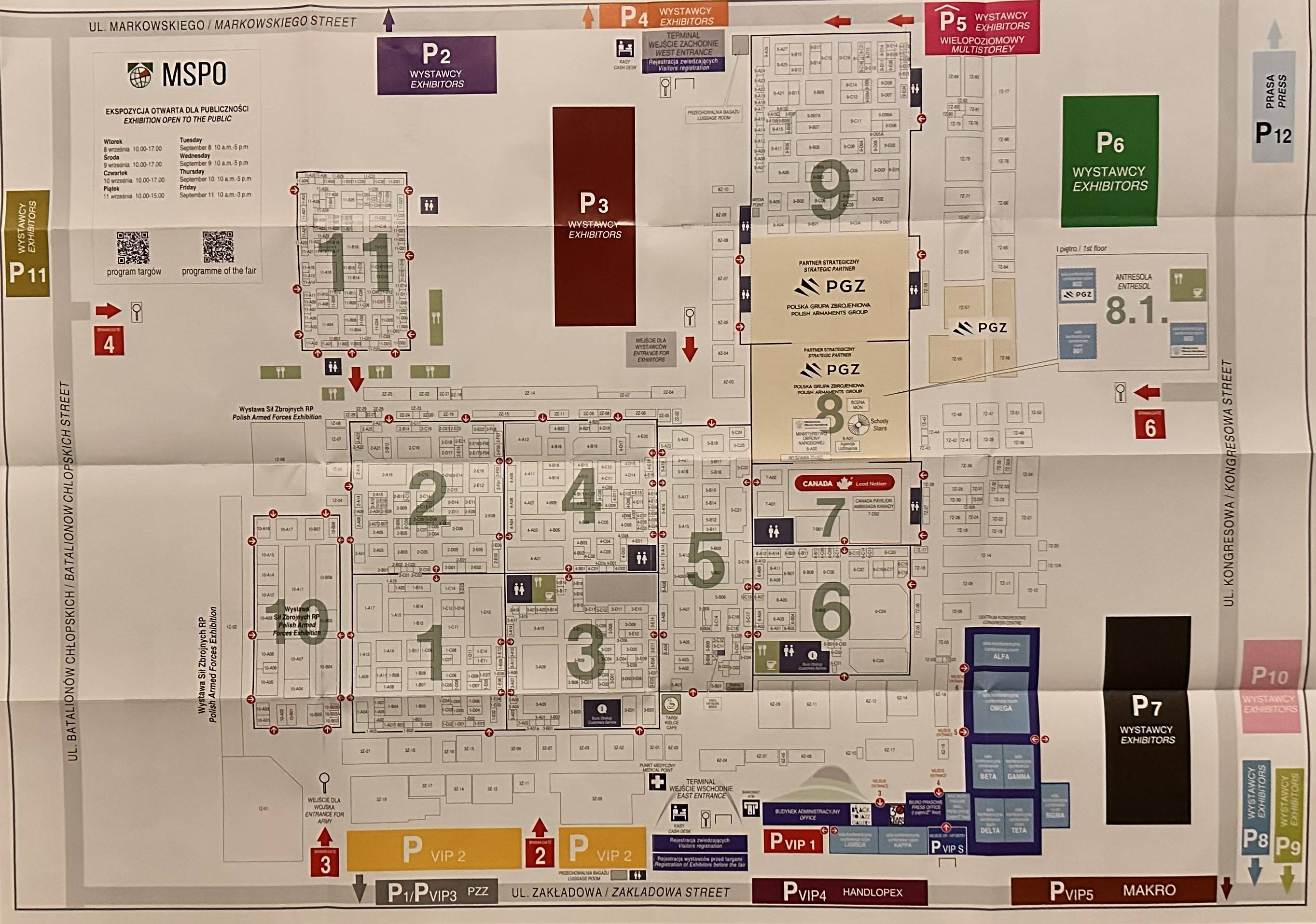
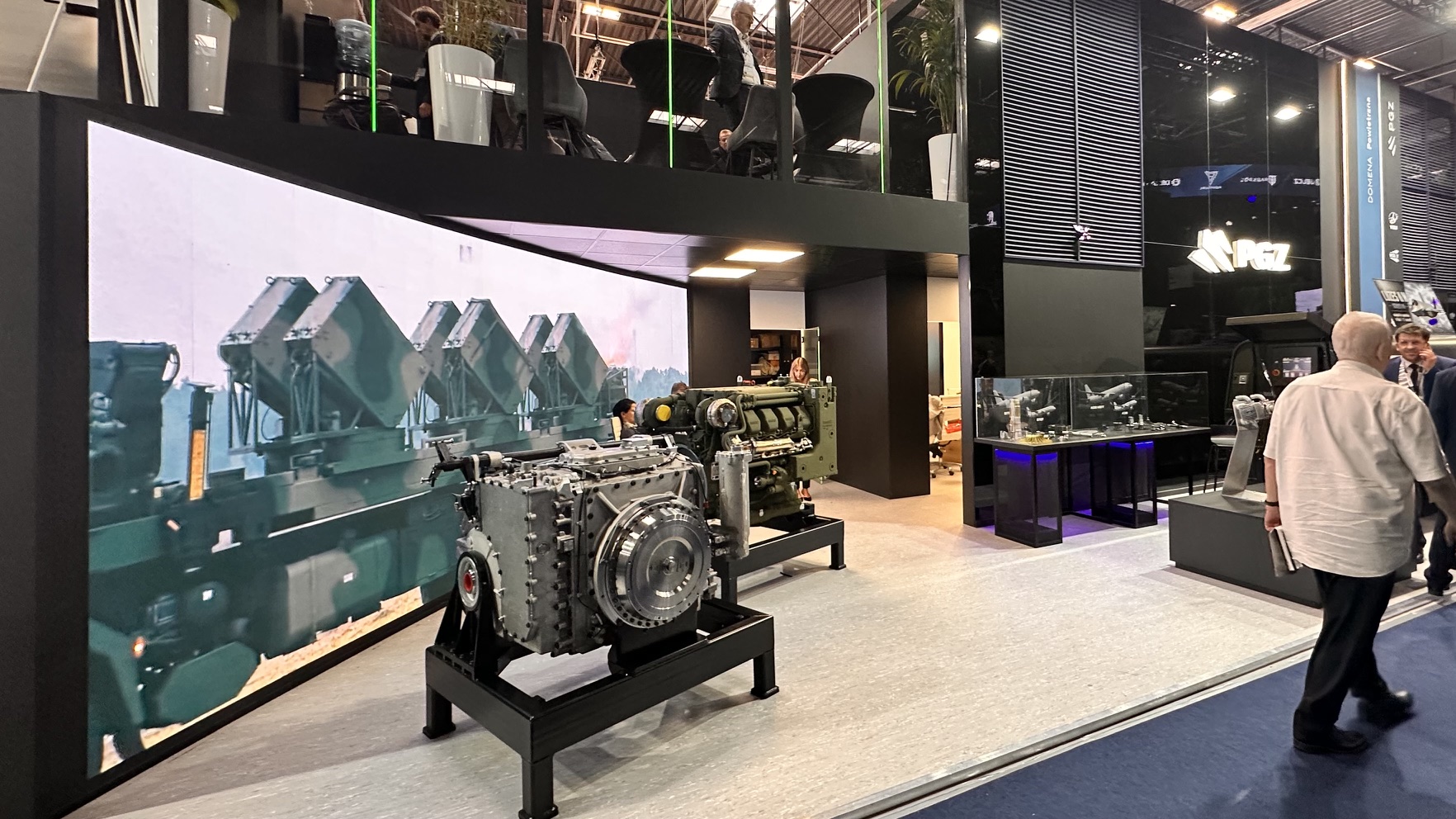
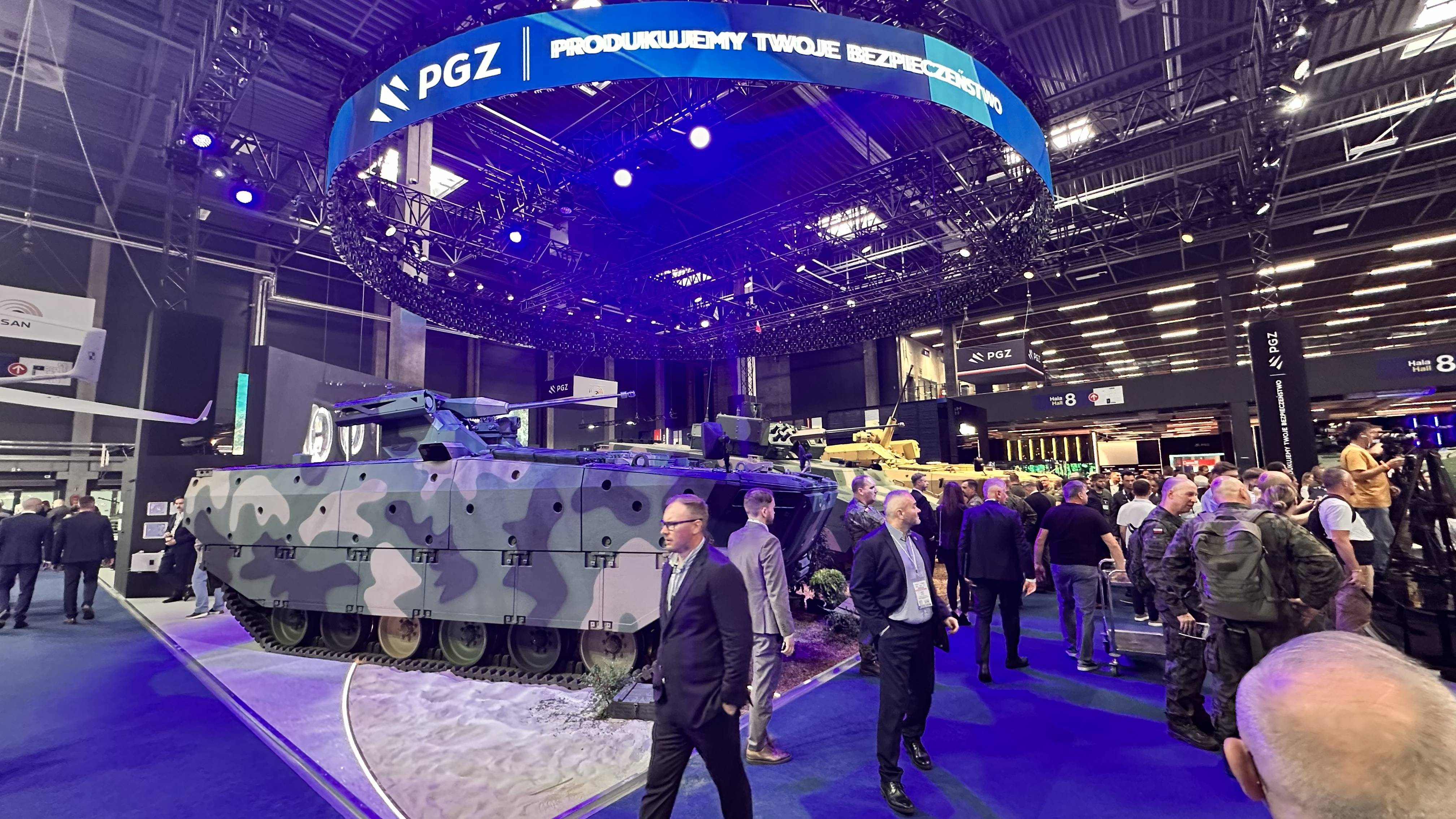
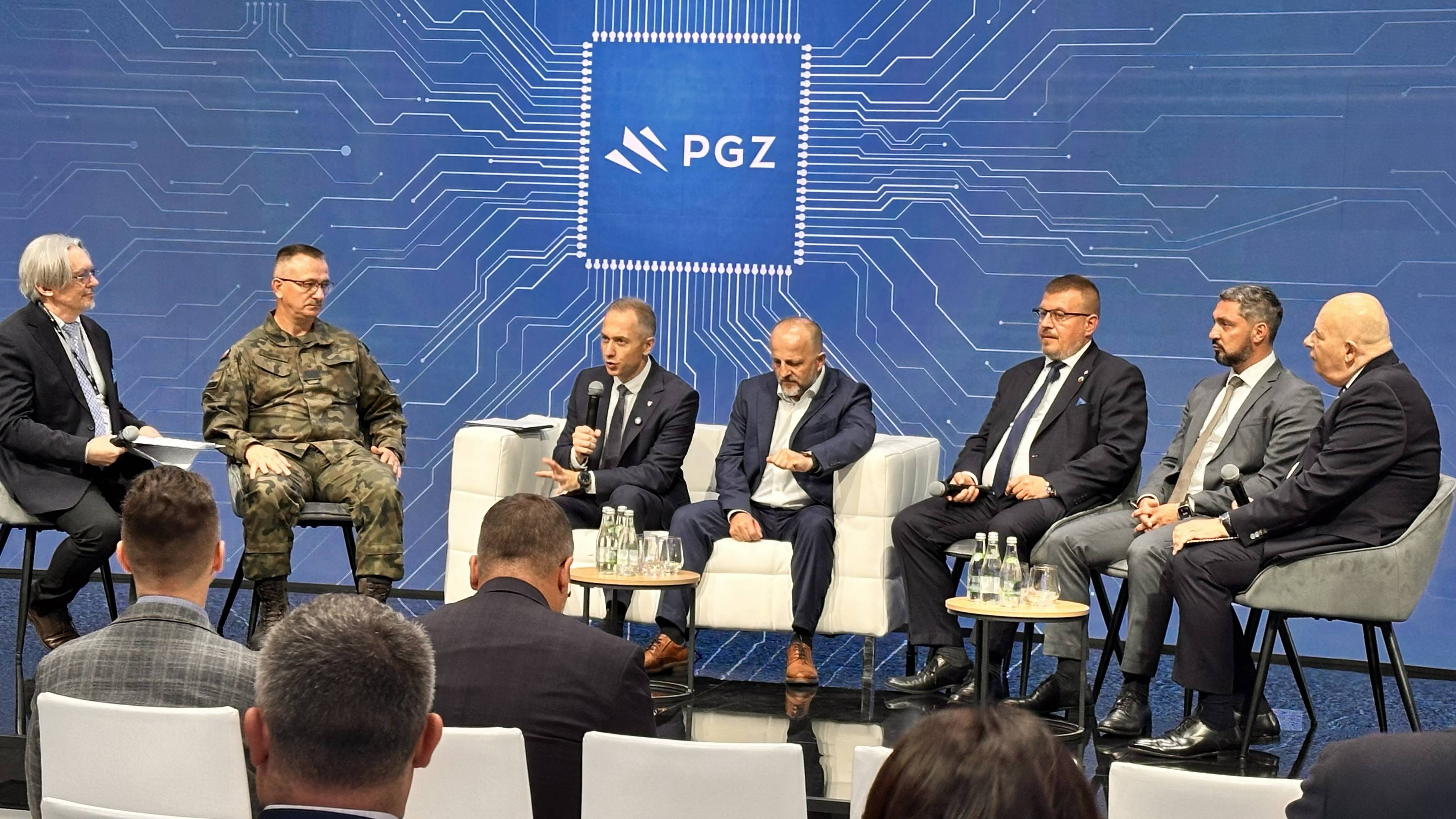
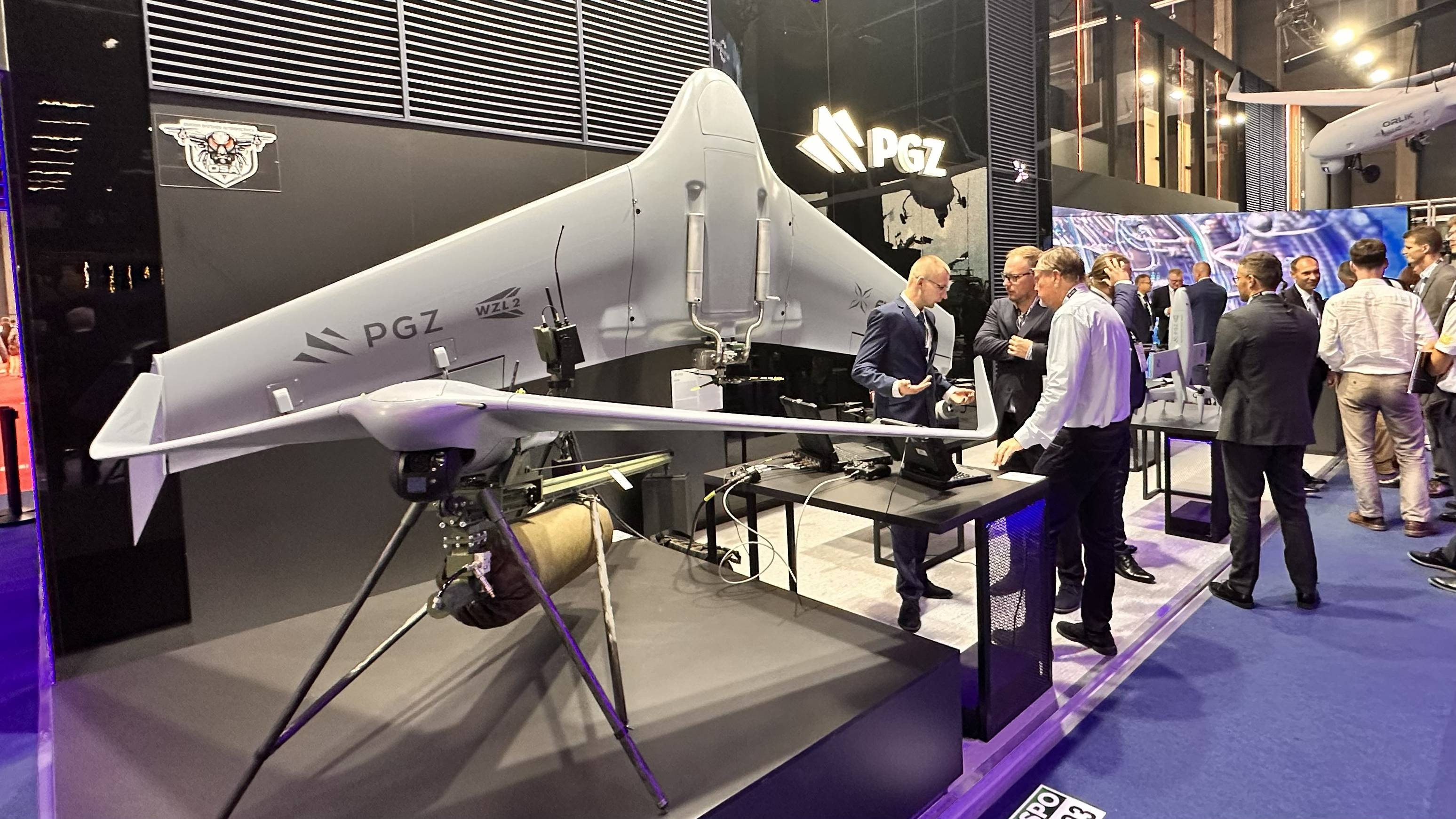
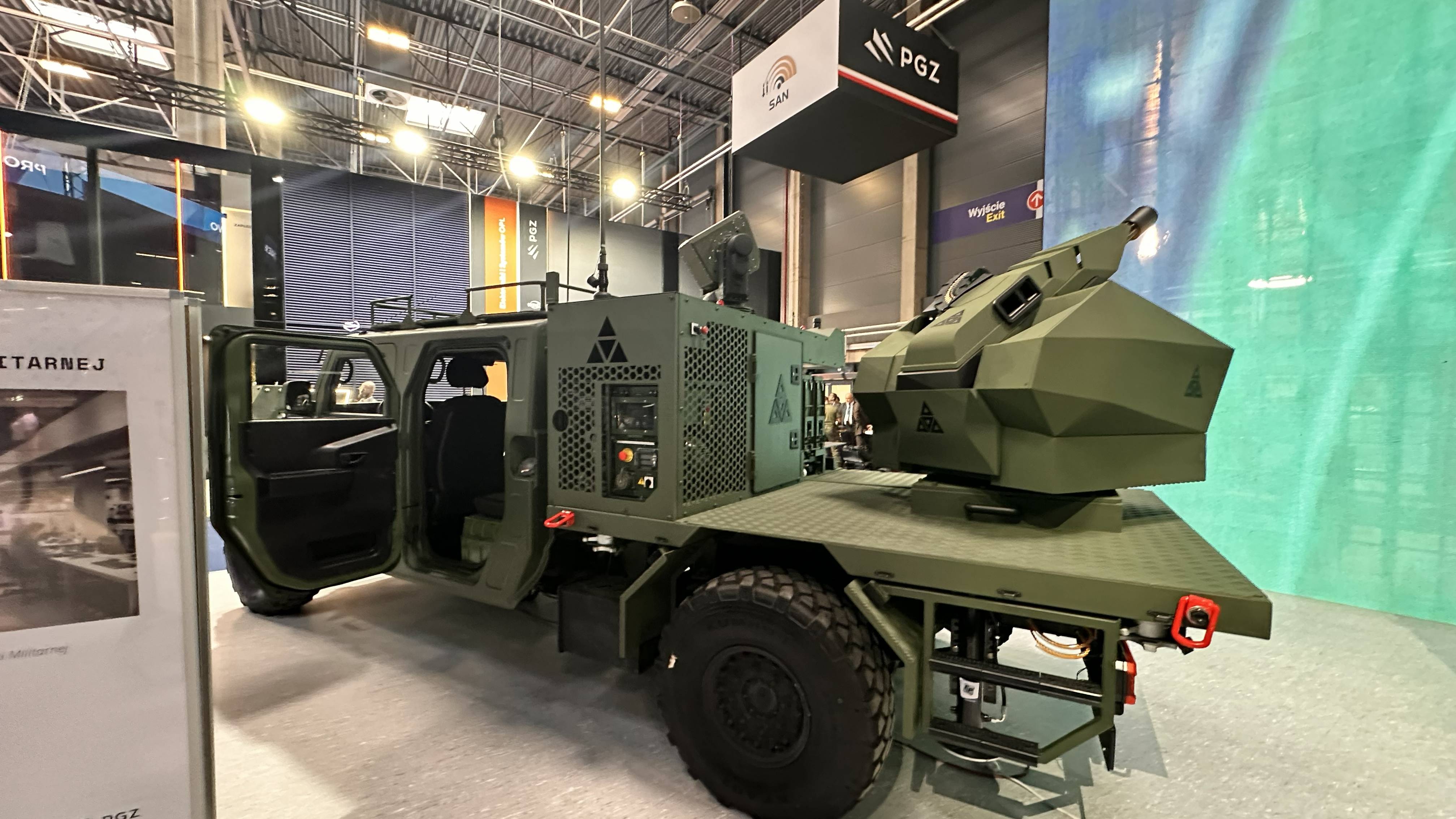
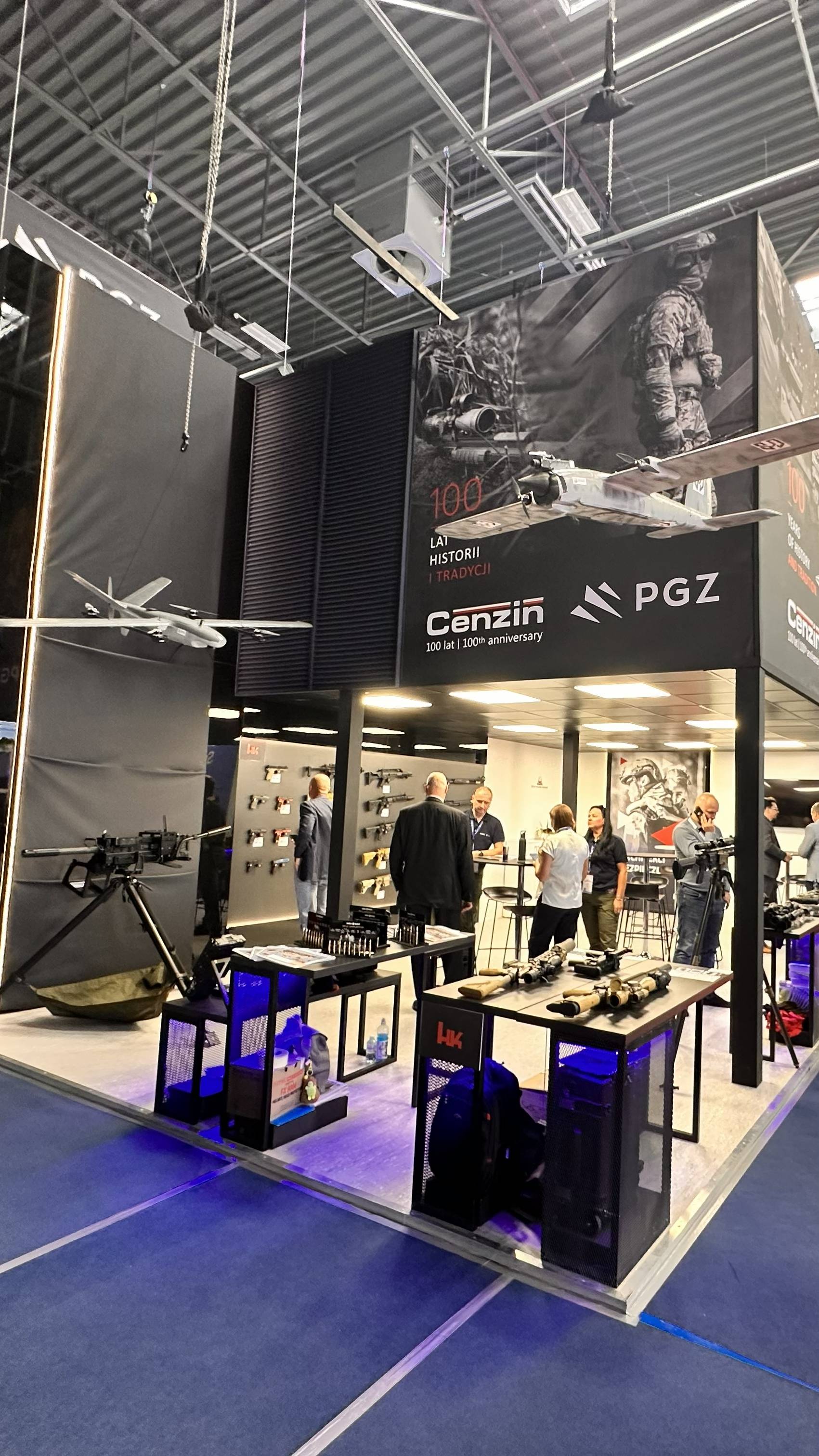
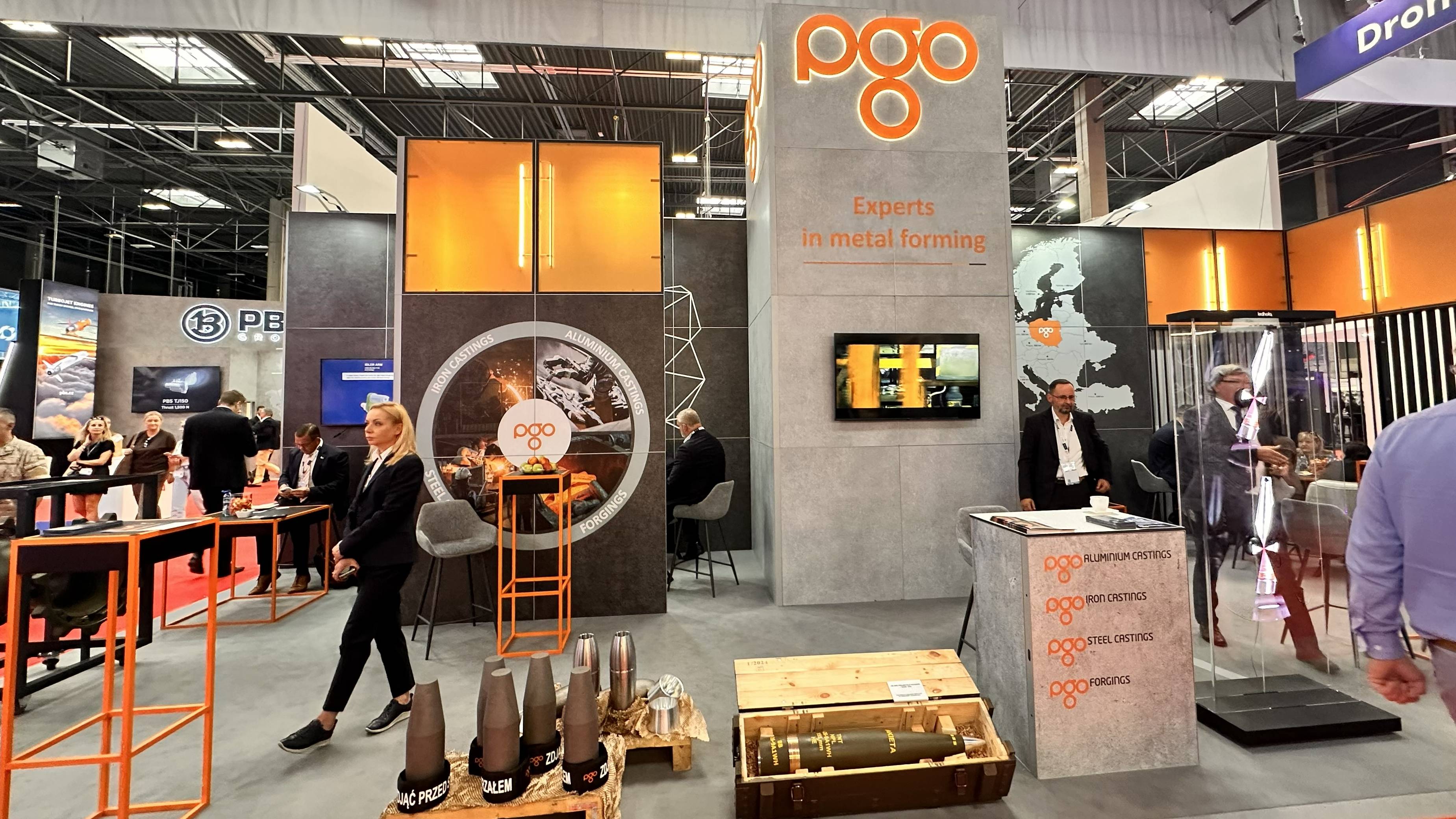
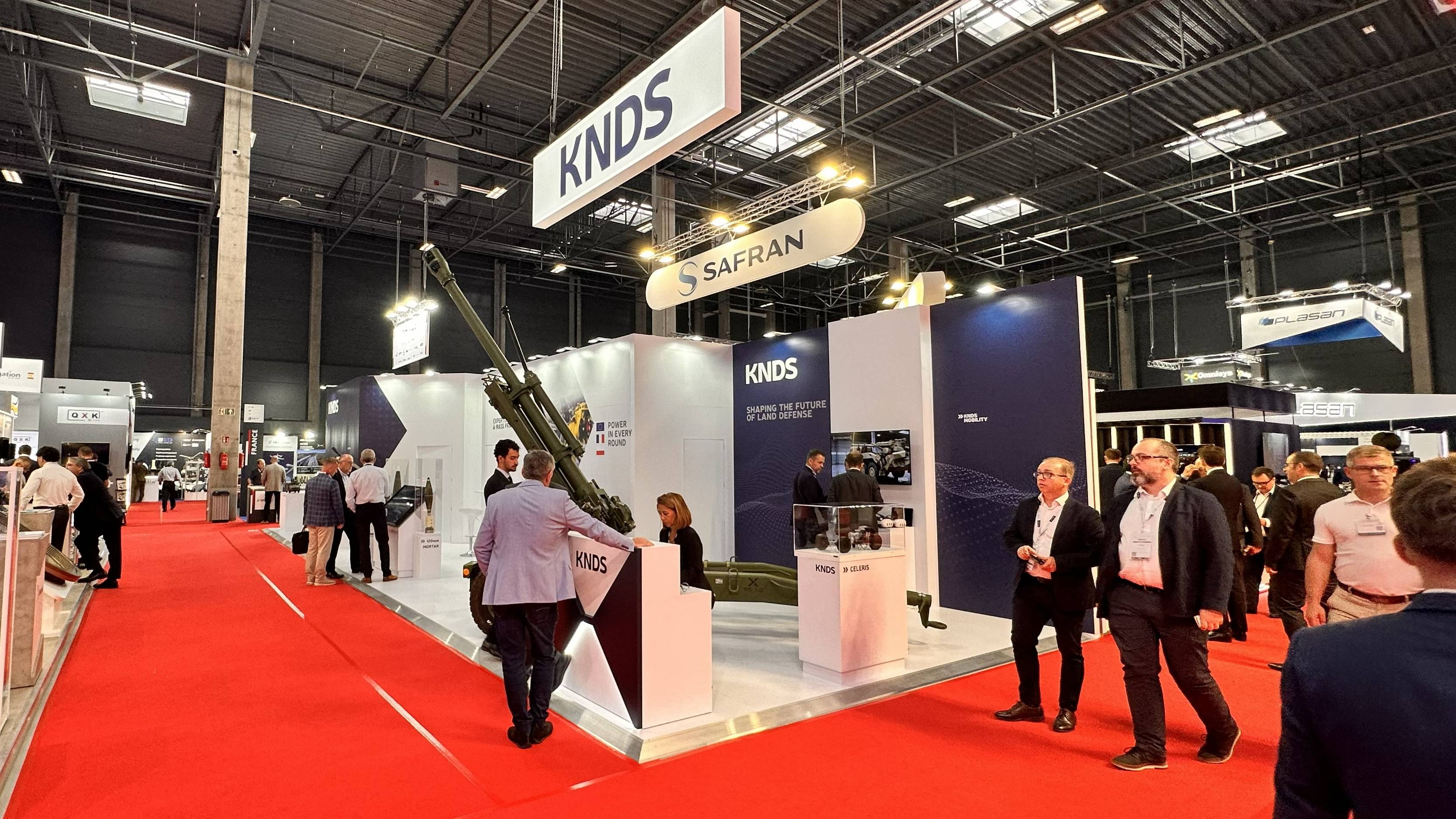
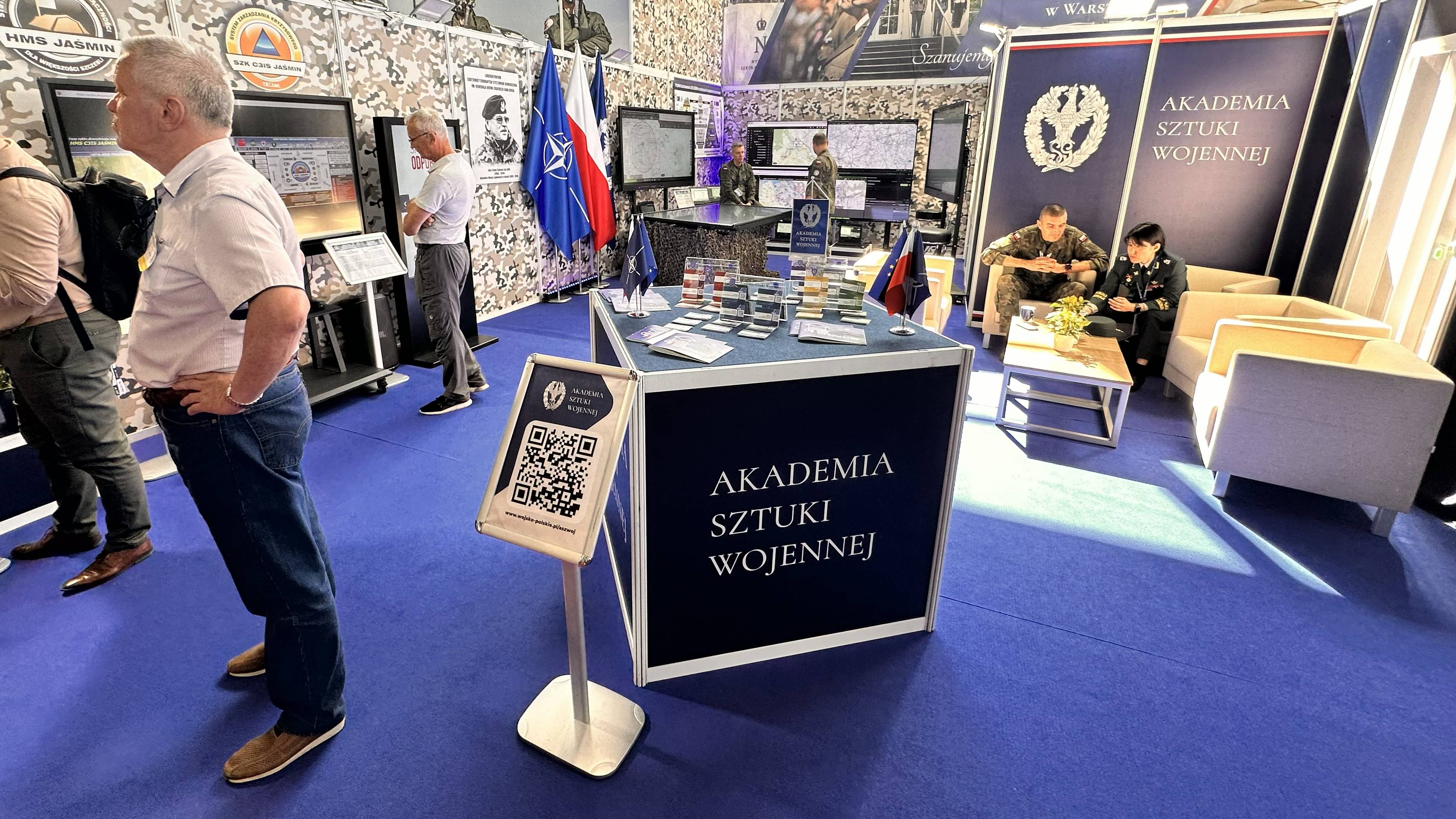
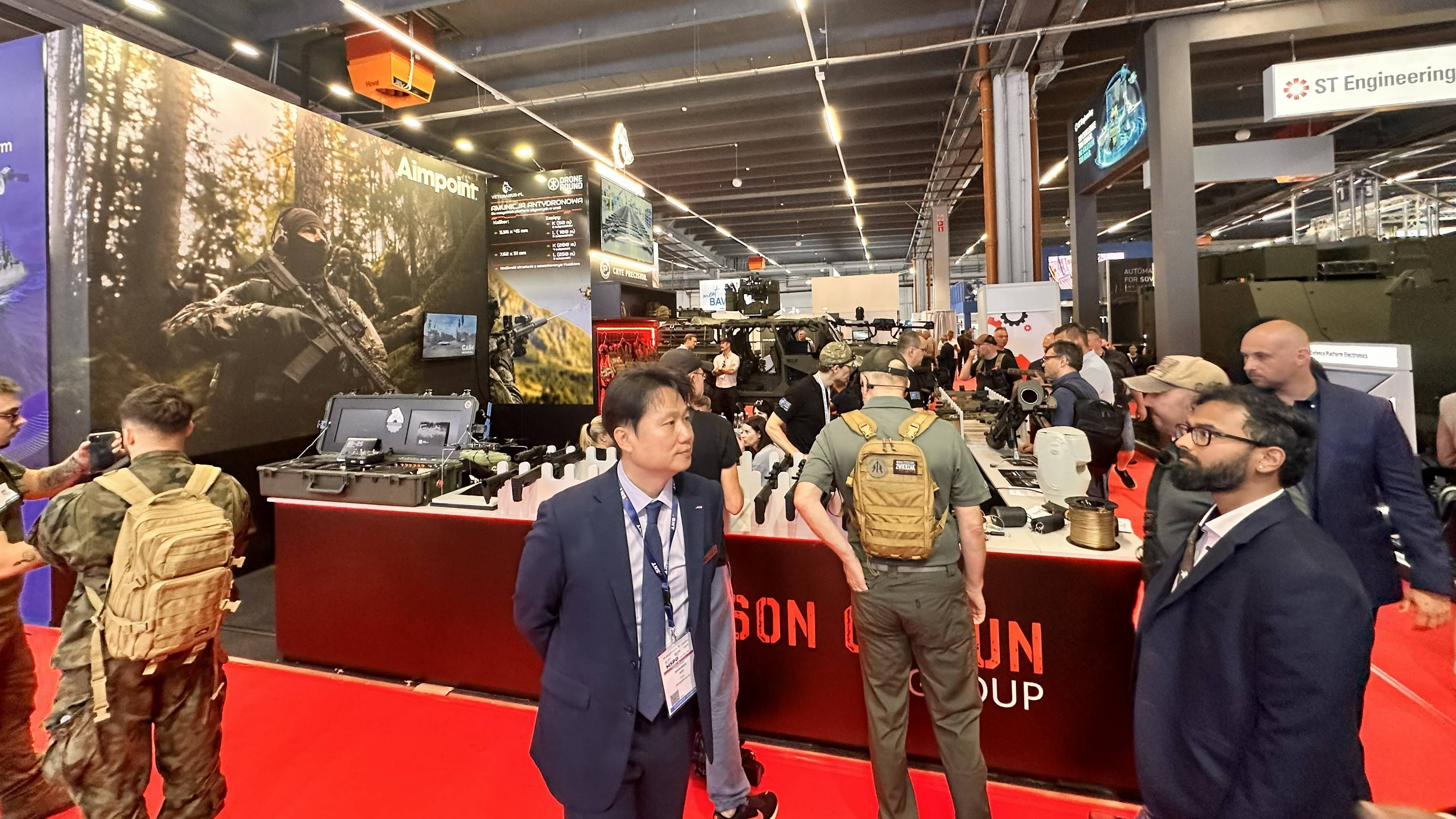
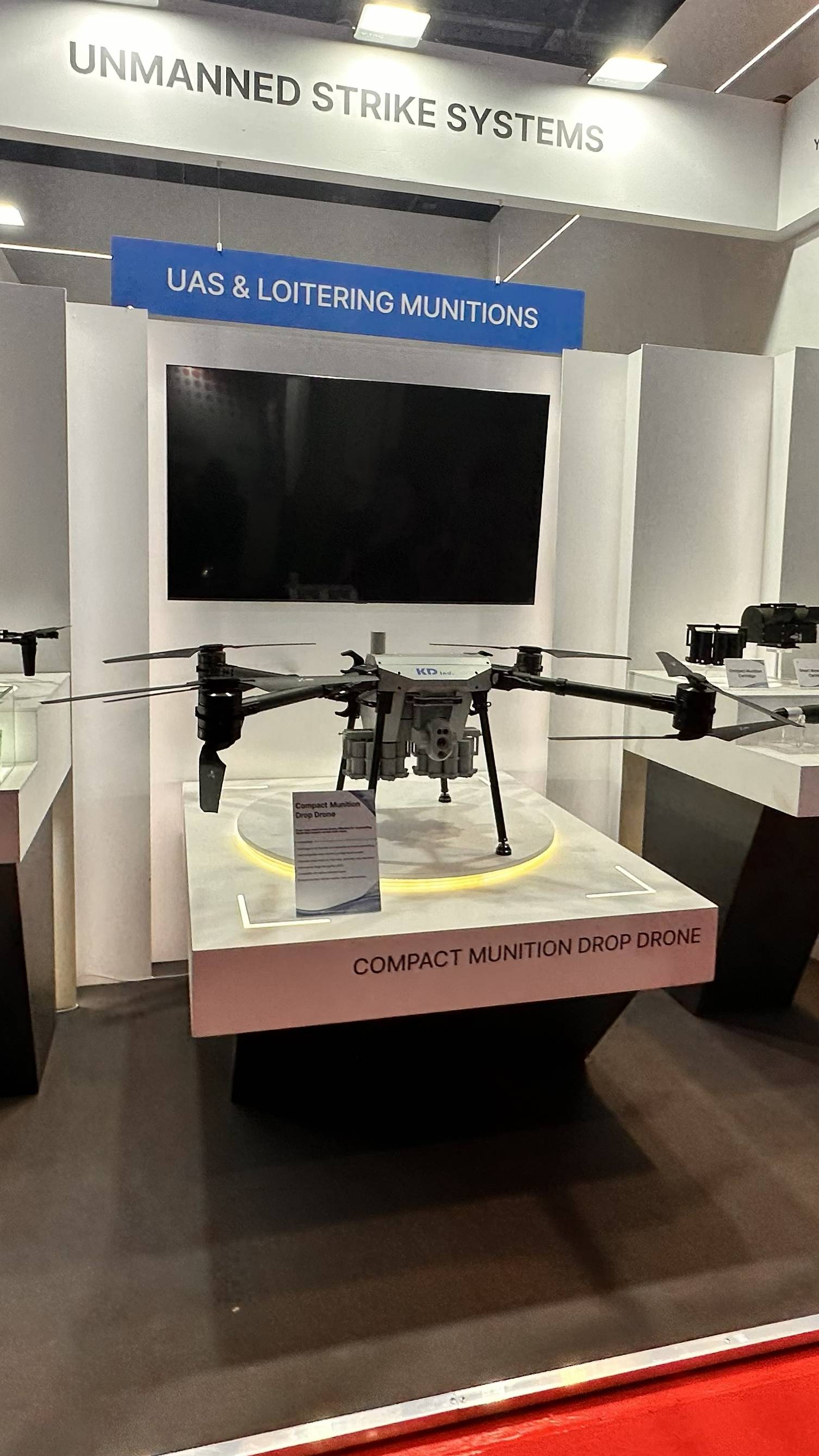
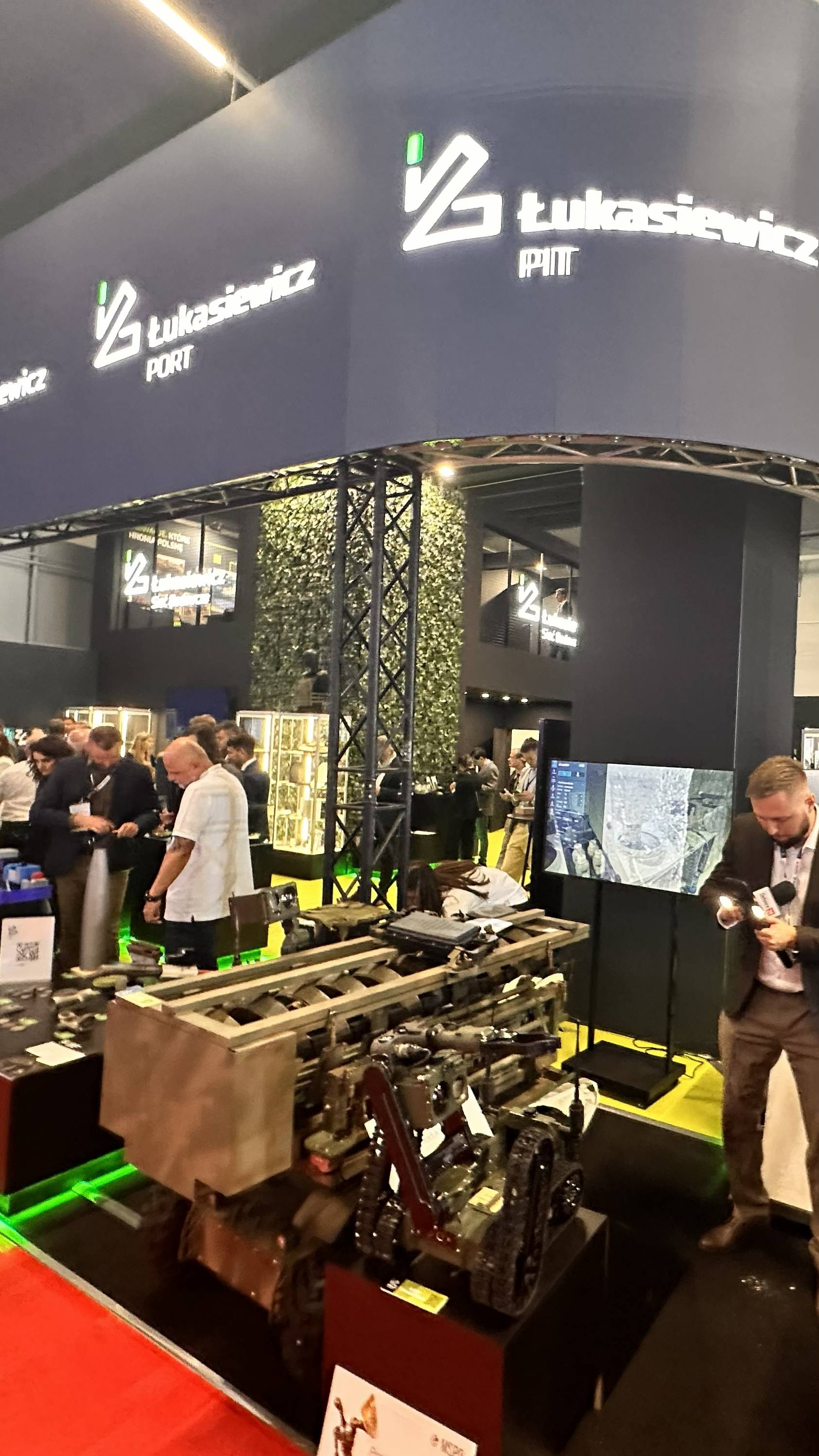
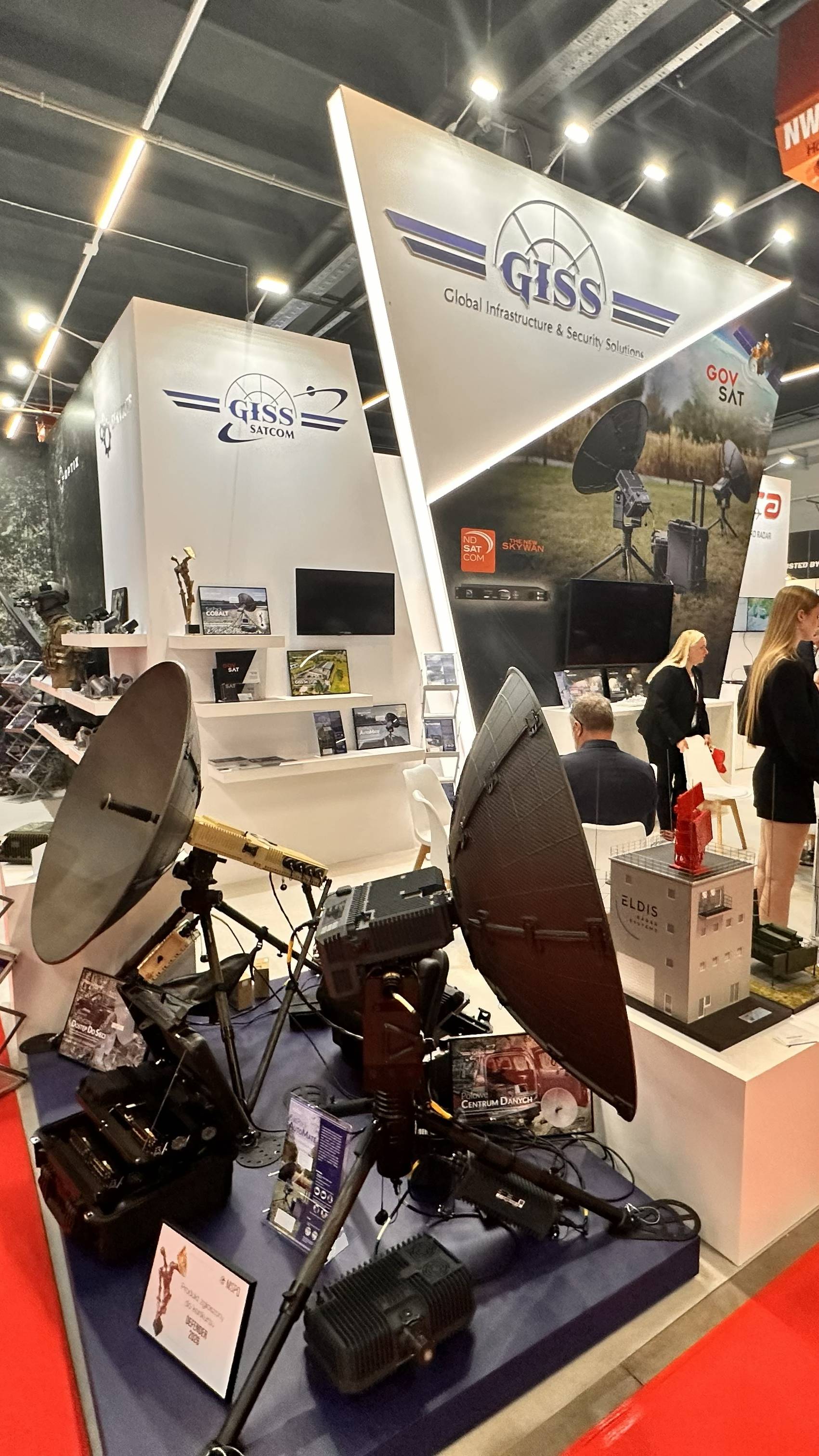
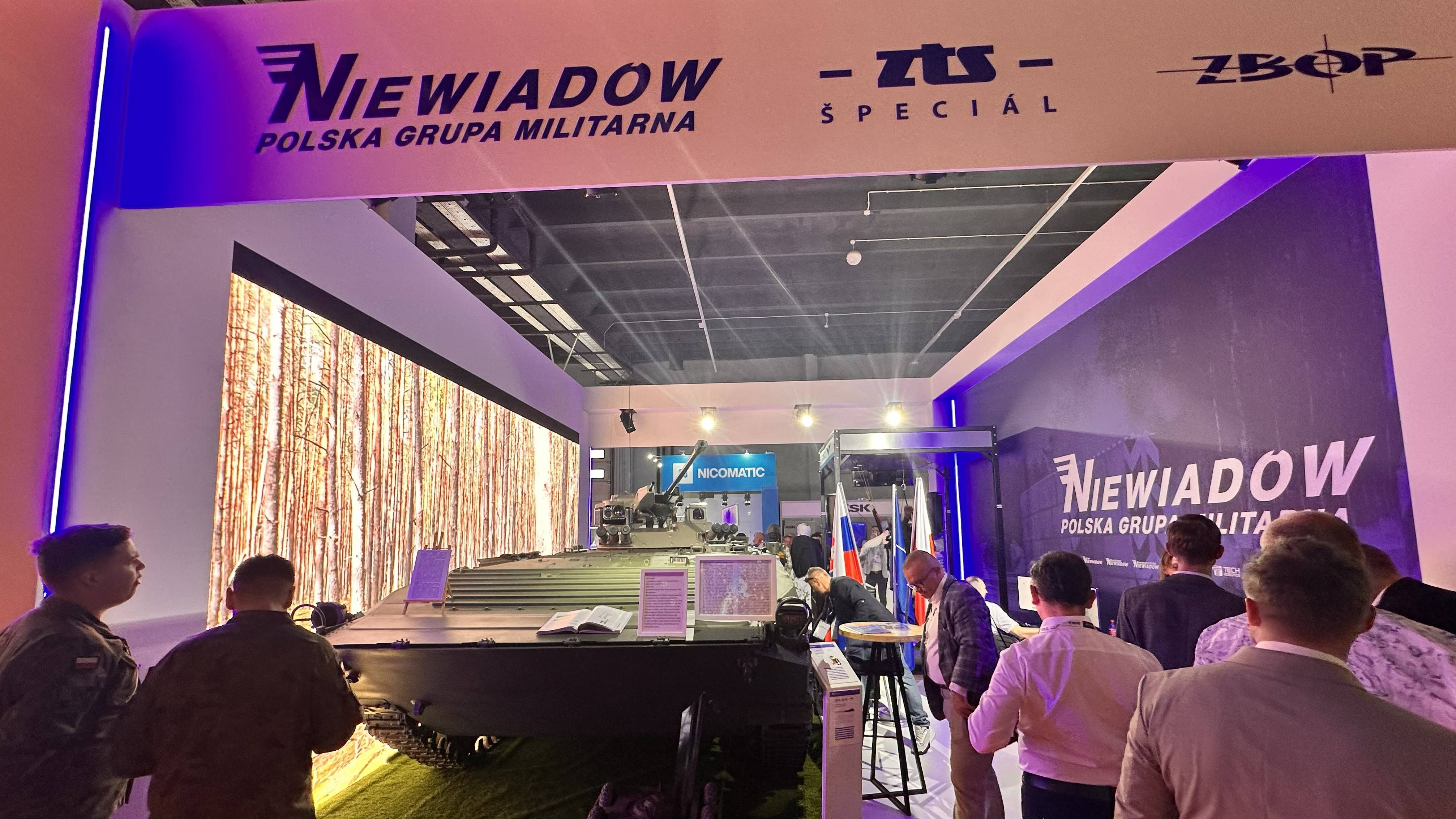
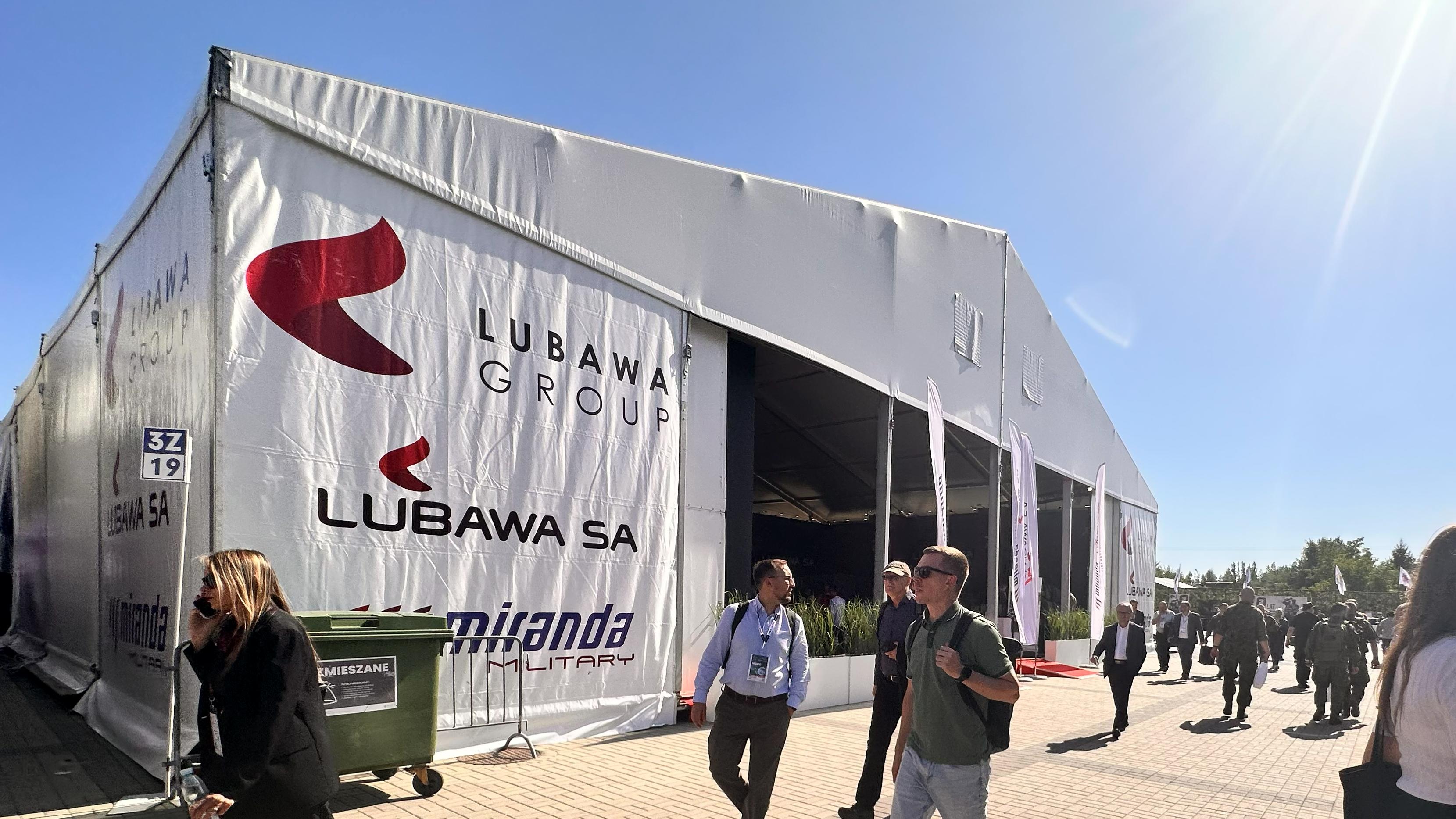
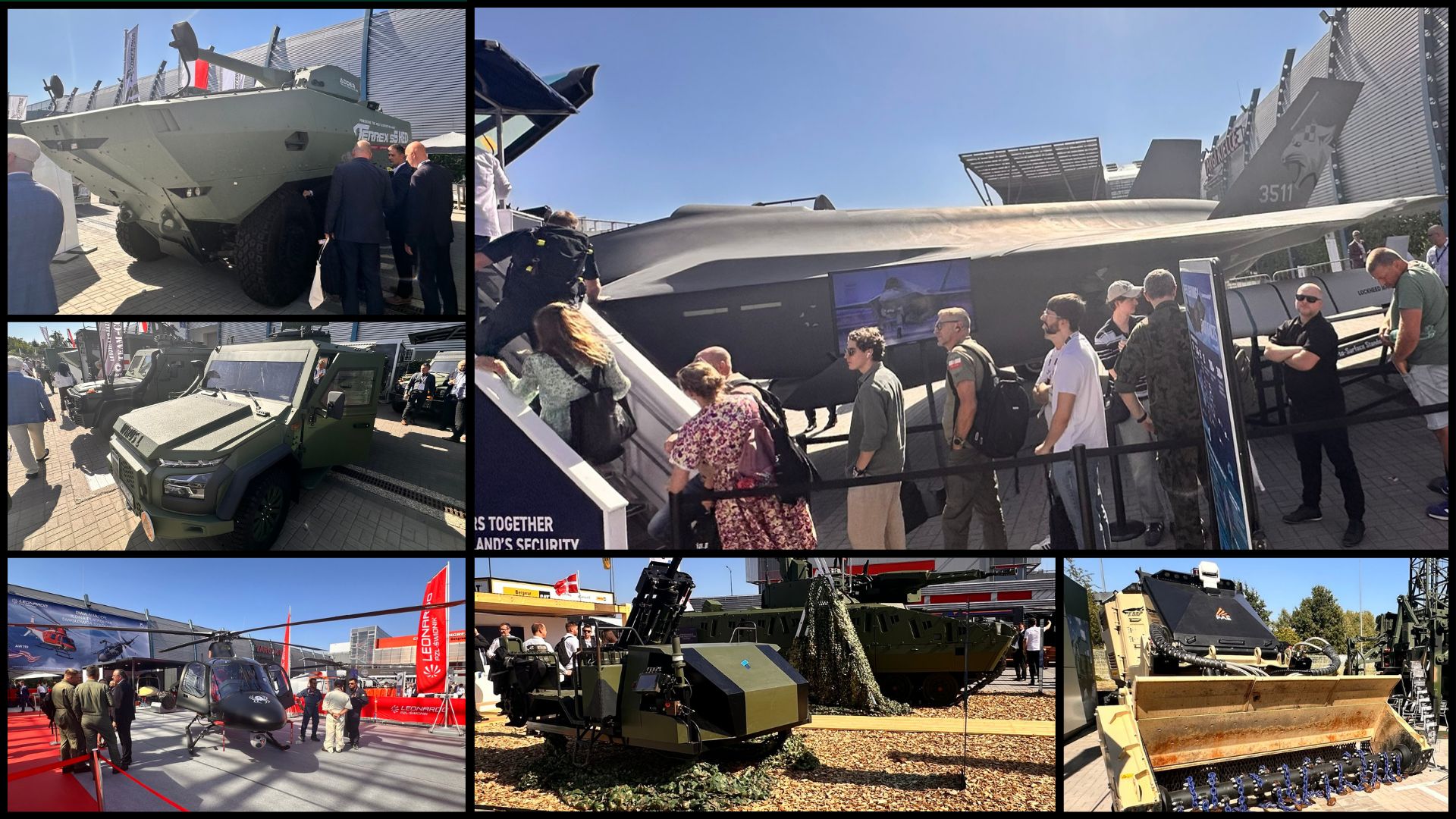
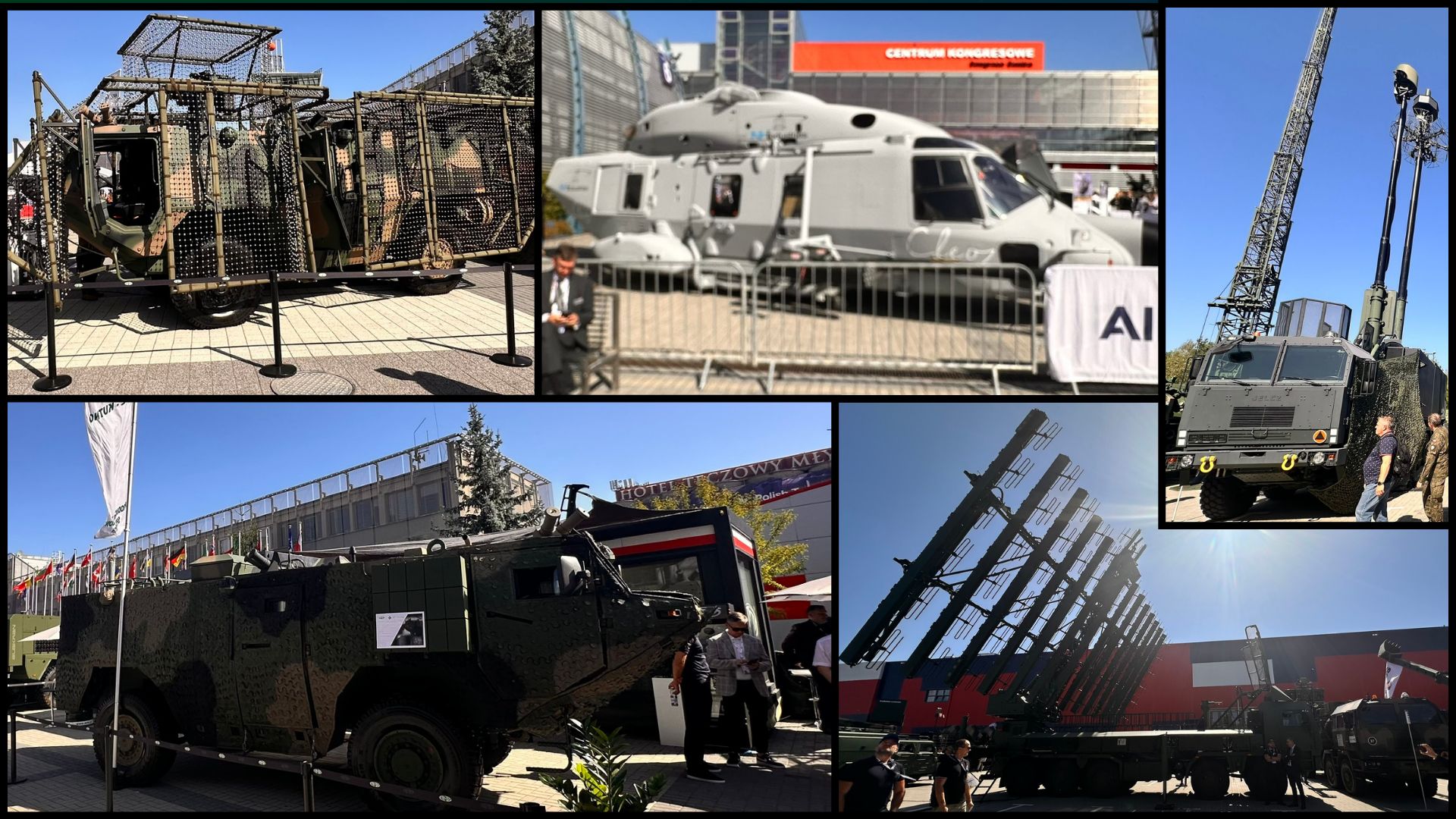
during the International Defence Industry Exhibition (MSPO) in Kielce, that the heart of
European security beats. This is no ordinary equipment exhibition – it is a powerful arena where
the future of technology is forged. Second in scale only to Paris and London, MSPO annually
transforms Polish exhibition halls into a strategic global hub. It is here that the vision of
engineers meets real force, and the voices of world leaders and experts set the directions
intended to ensure global stability. However, the modern battlefield is not just about powerful
machines; it is primarily about the human being, for whom technology has become a "second skin."
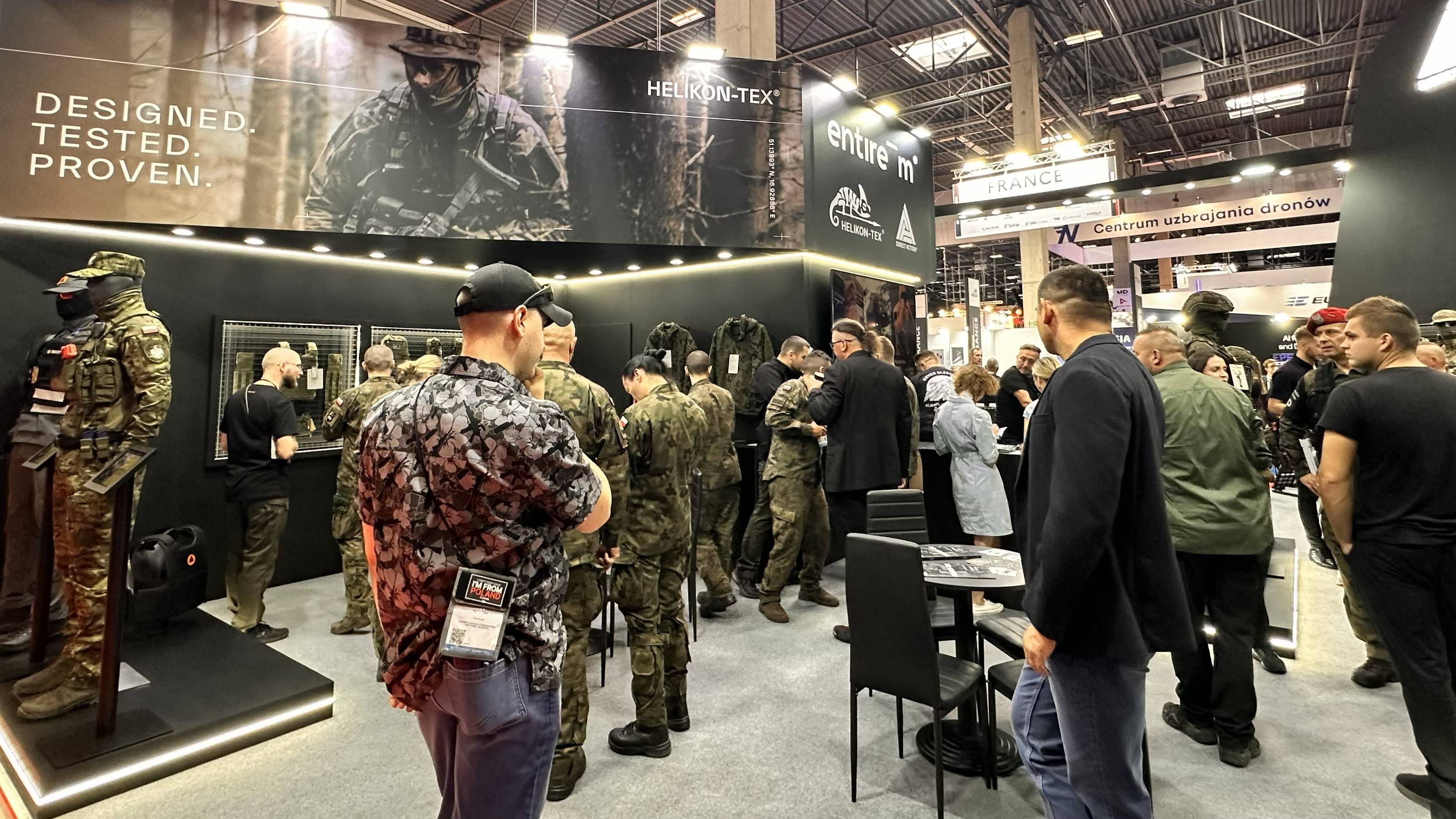
Modern military clothing has ceased to be a mere uniform – it has become an advanced system of
protection and support. In the halls of MSPO, we can witness the evolution of fibers into
intelligent armor. Today’s cutting-edge fabrics with multispectral camouflage technology can
deceive not only the human eye but also advanced thermal imaging, making the soldier nearly
invisible to the enemy's digital senses. Intelligent membranes react actively to extreme
physical exertion, dissipating heat in a fraction of a second, while e-textiles woven into the
material structure monitor vital signs and integrate communication systems. This is clothing
that not only protects against the elements but actively fights for the soldier's survival where
every gram of equipment and every second of reaction time counts. In an era of the fastest
progress in history, it is this fusion of human courage and space-age technology that defines
modern defense. Today's arms race forces manufacturers to achieve the impossible: clothing must
be lighter, more durable, and more intelligent than ever before. For someone like me, who has
explored these issues from a theoretical and research perspective, observing these innovations
"live" is incredibly satisfying. MSPO is the place where the scientific visions from my diploma
thesis materialize as ready-made solutions, prepared to protect lives on the modern battlefield.
In a world dominated by technology, it is this subtle connection between human and intelligent
material that fascinates me most. Because ultimately, behind every powerful machine stands a
human, whose safety begins with what they are wearing. The speed of implementation I mentioned
would not be possible without design-supporting technologies. CAD/CAM systems combined with 3D
visualization radically shorten the time from concept to finished product. The use of 3D body
scanners allows for the collection of precise anthropometric data, which is crucial in
textronics – sensors and probes must be located in strictly defined spots to correctly monitor
vital signs.

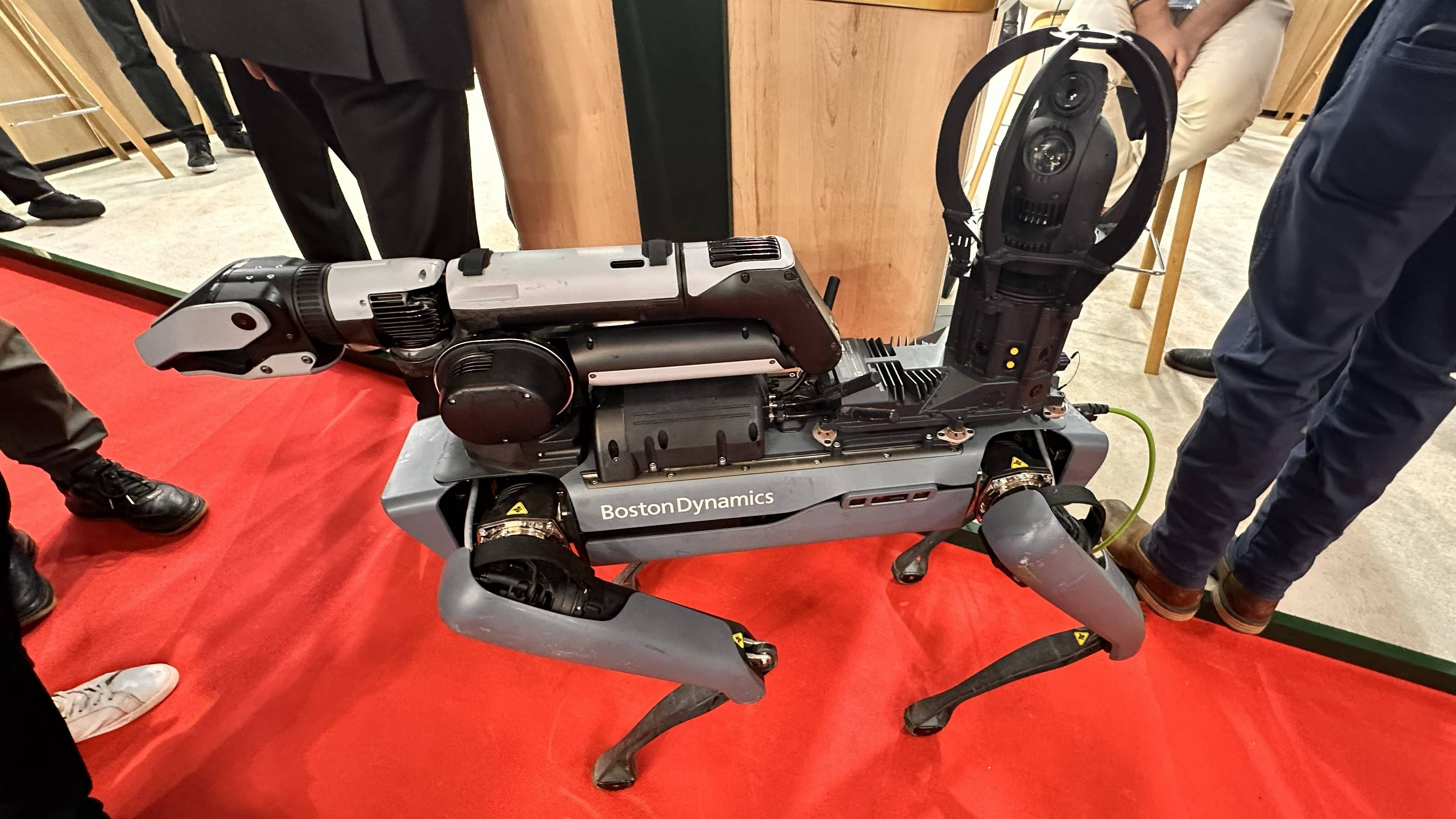
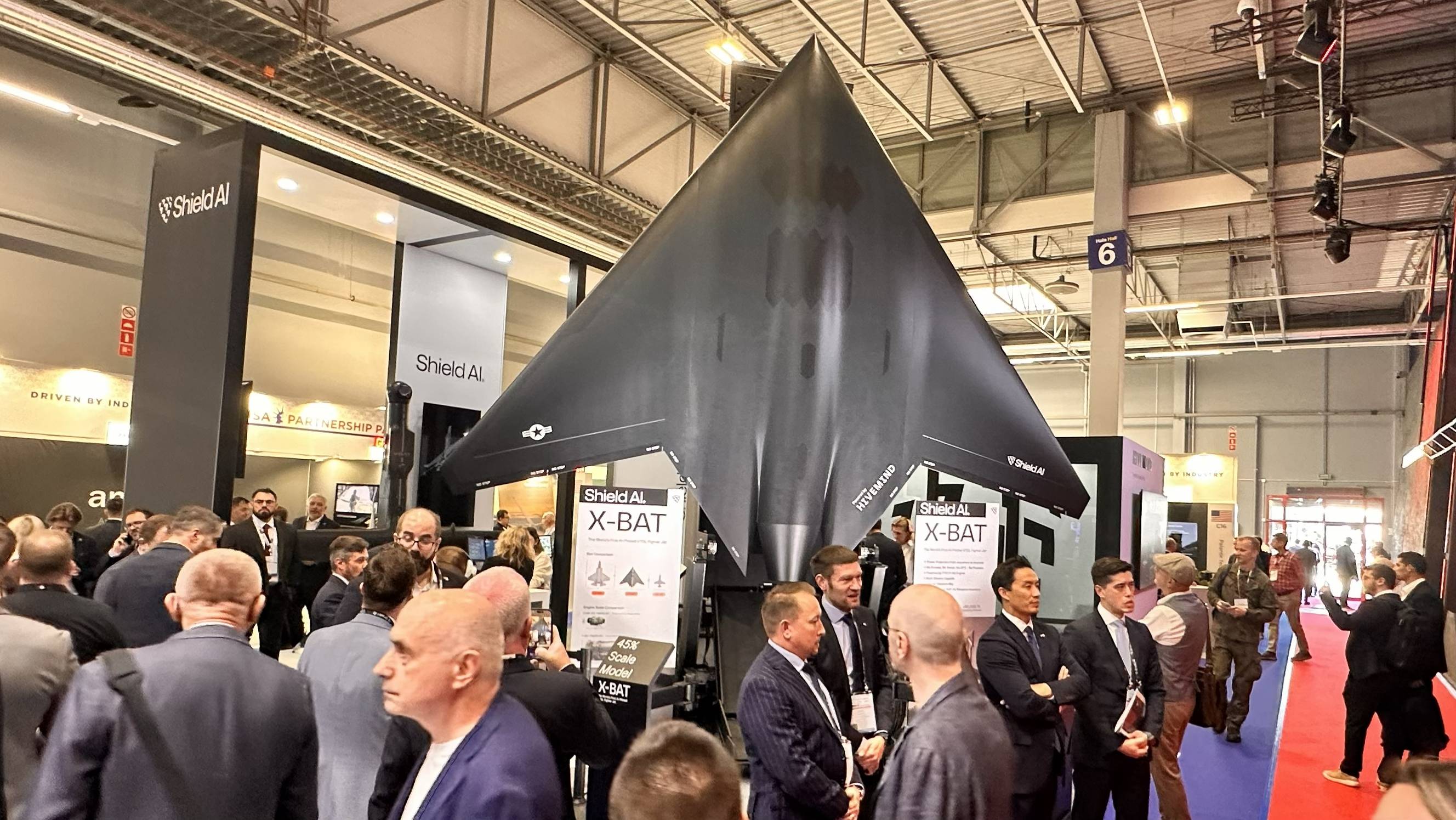
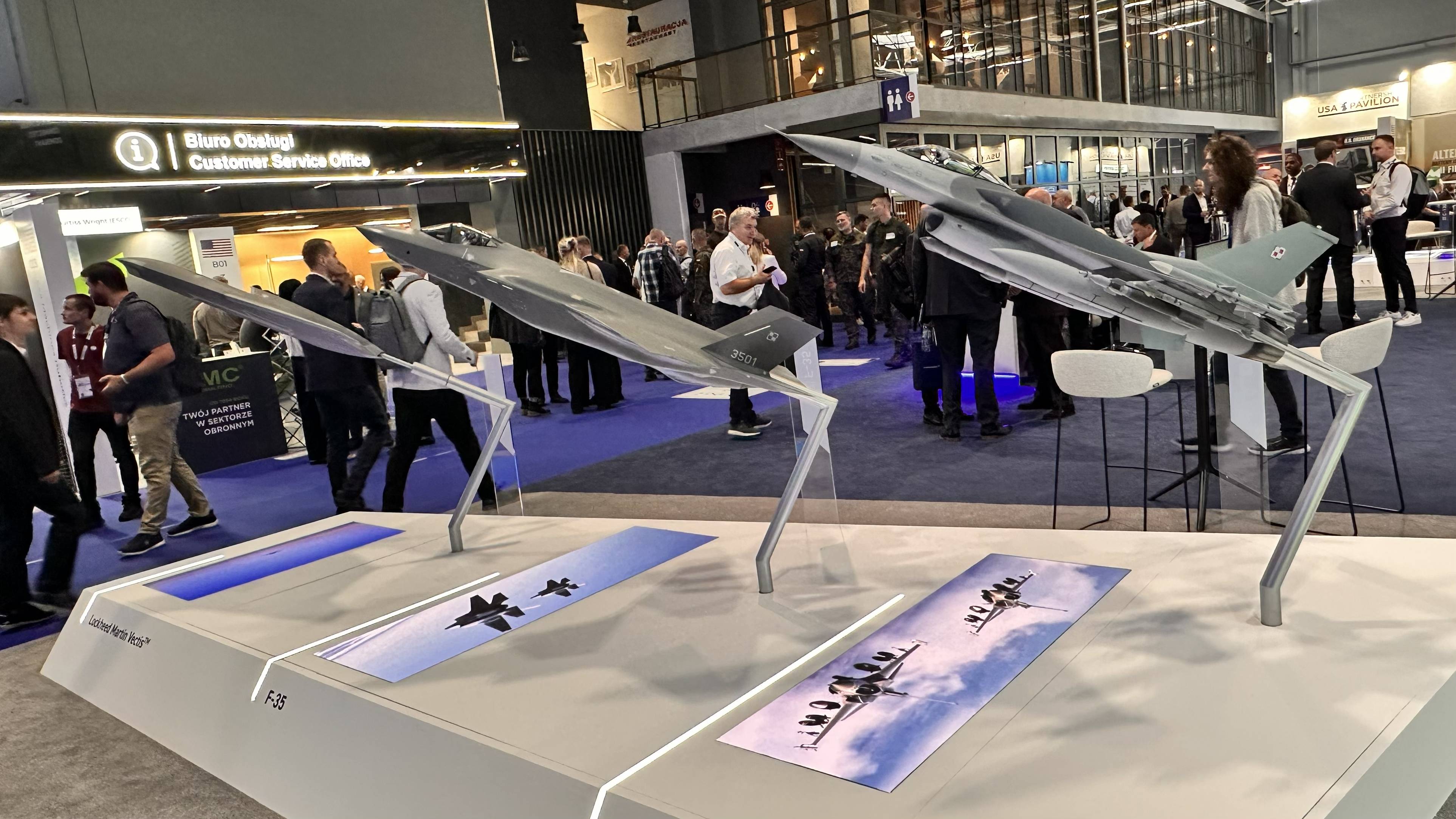
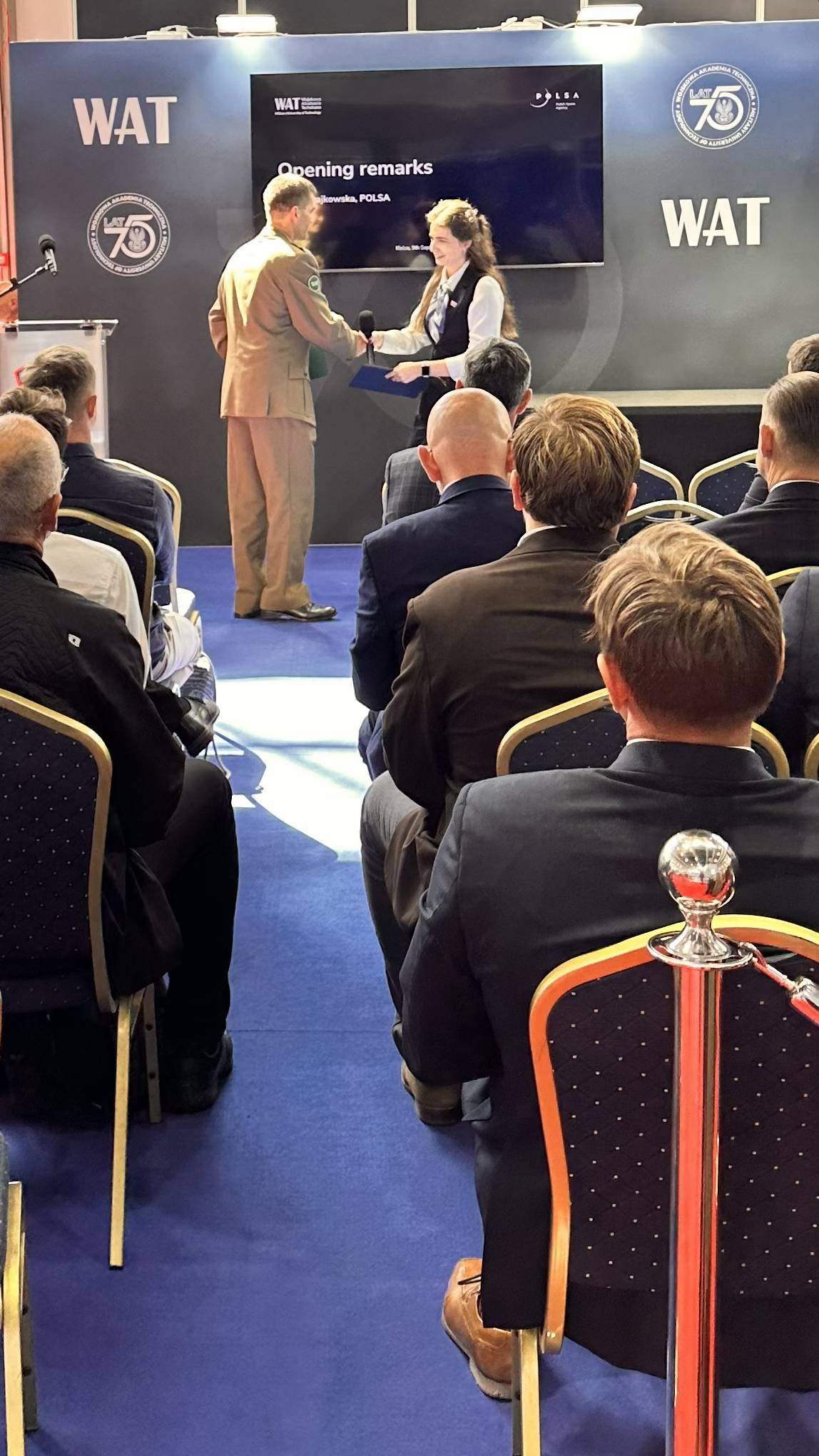
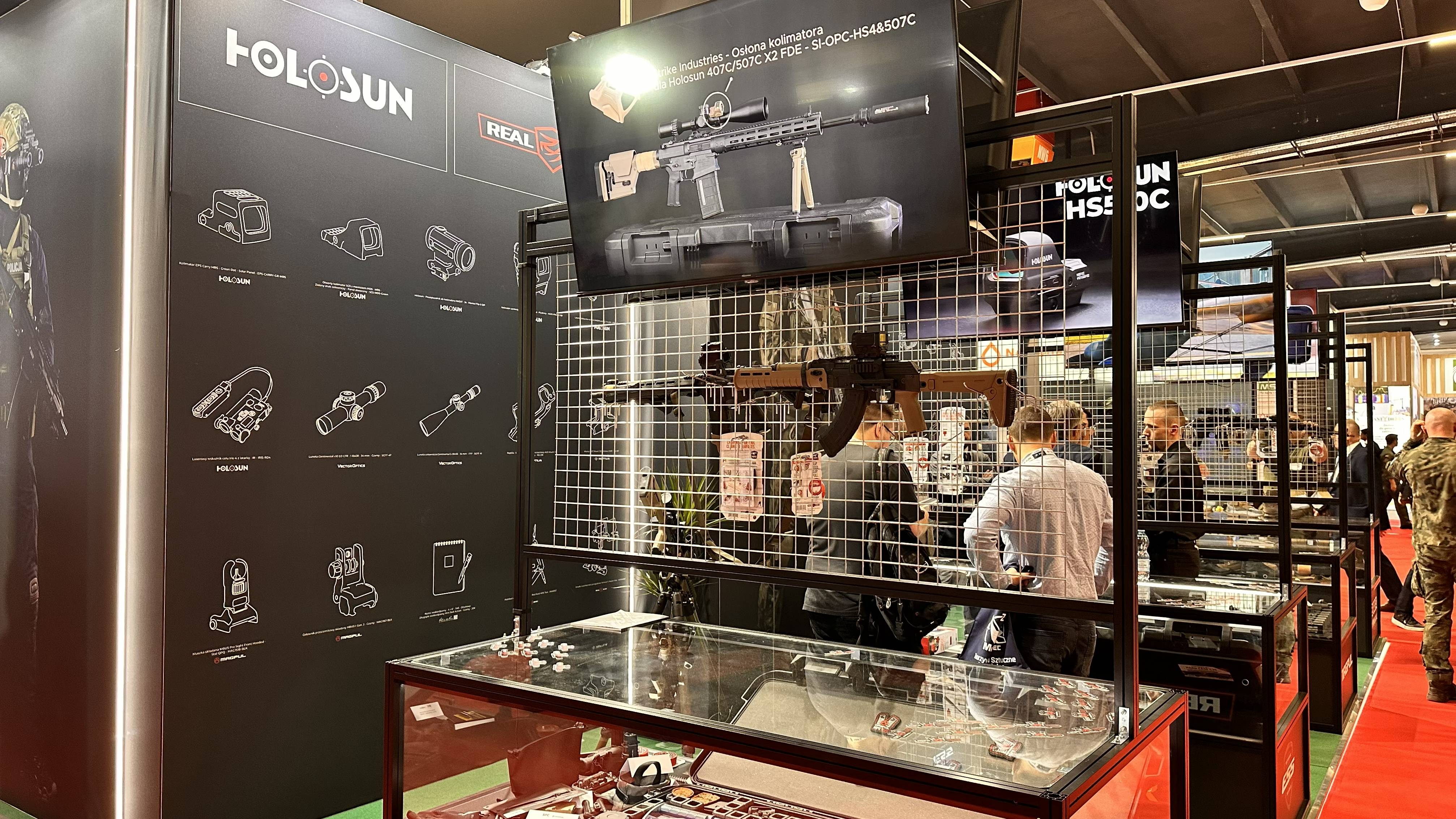
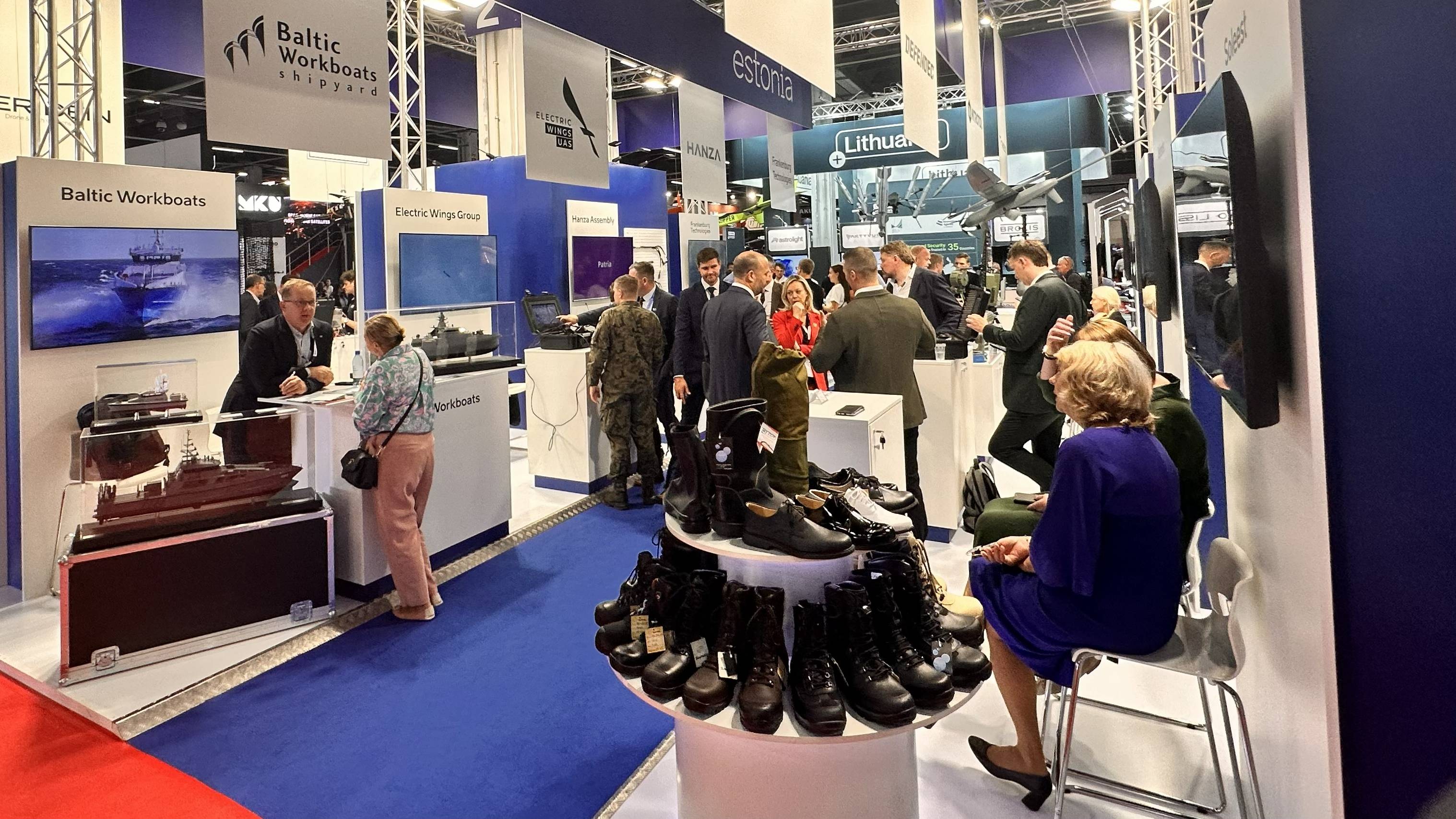
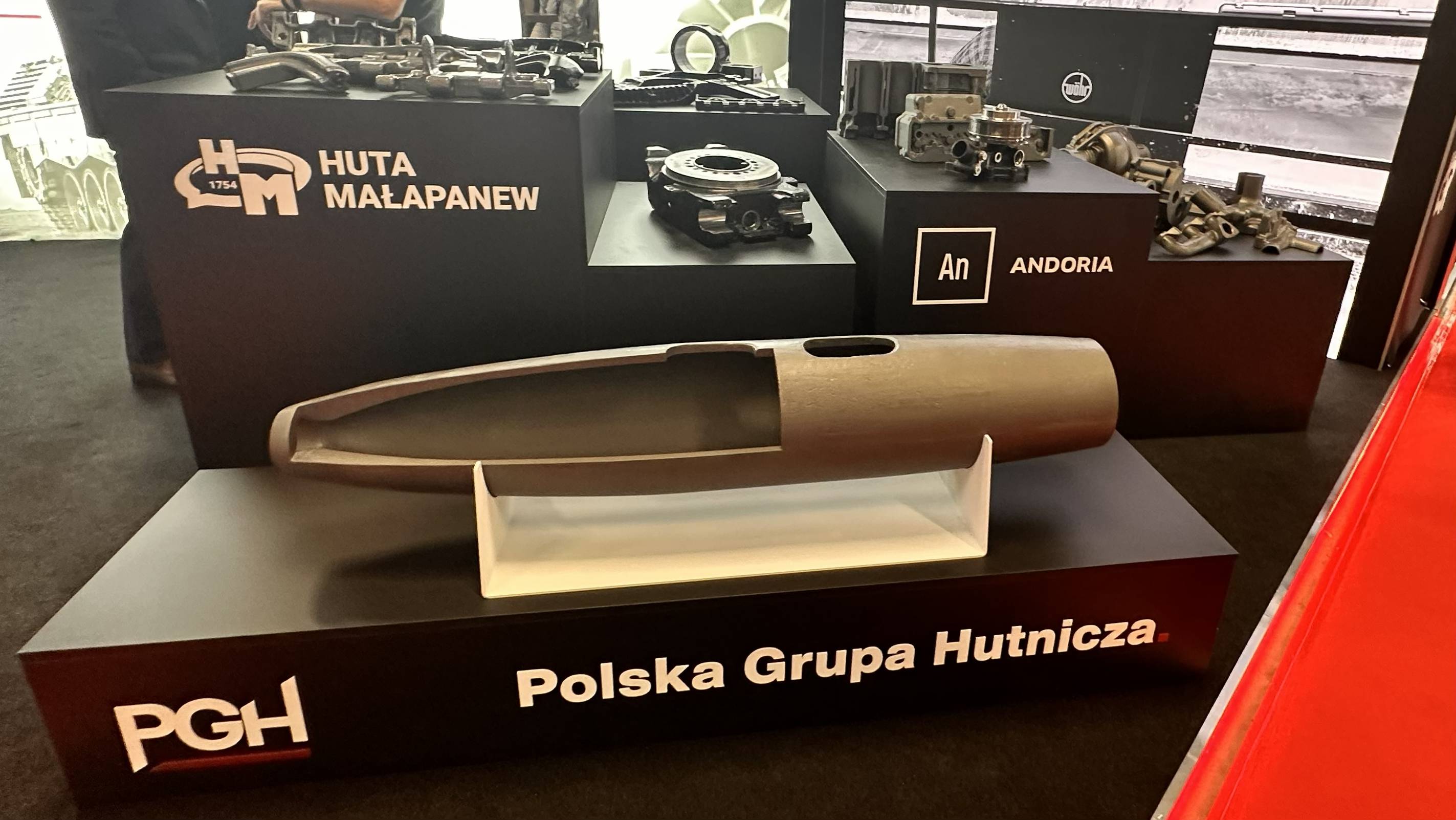

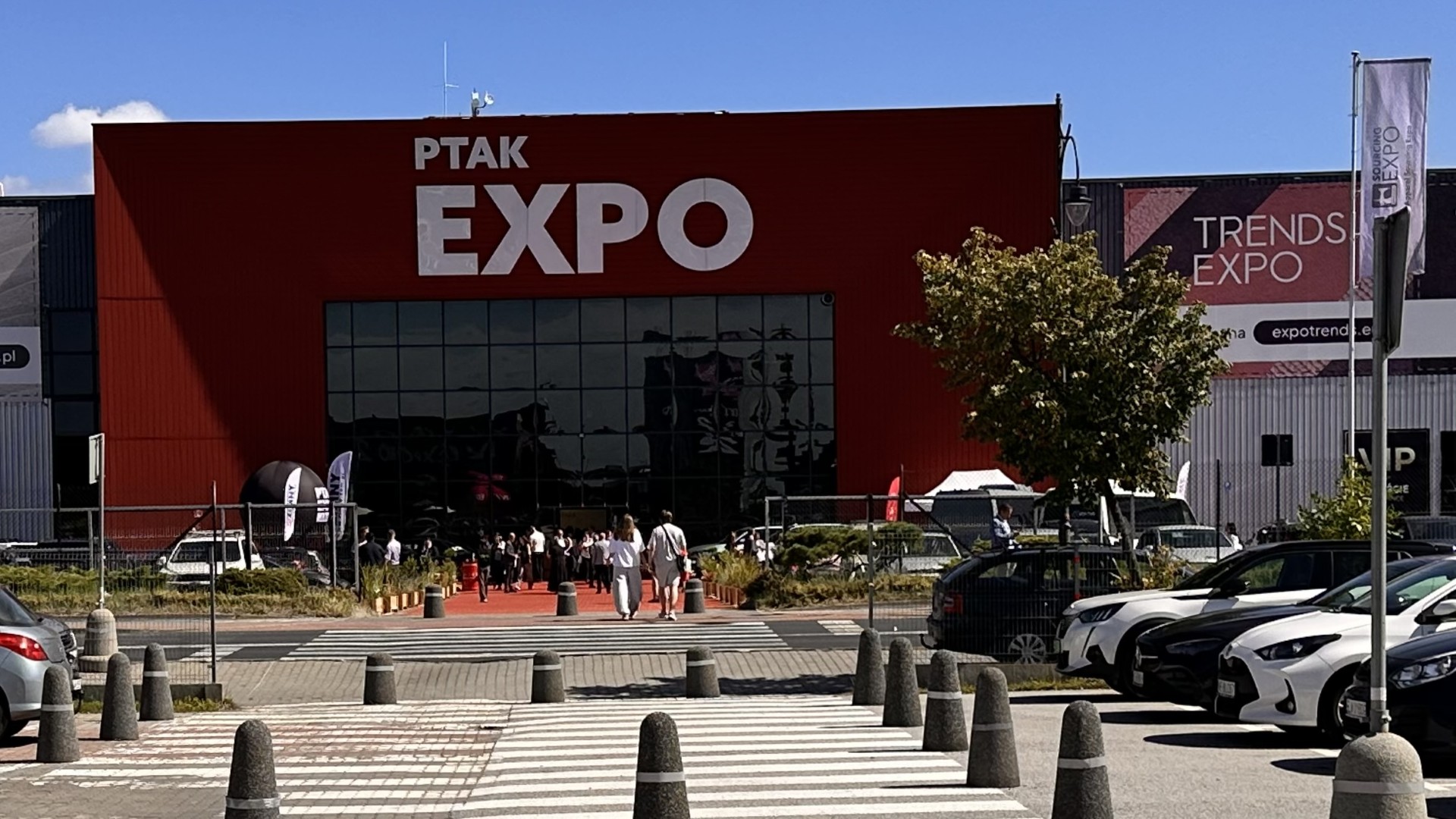
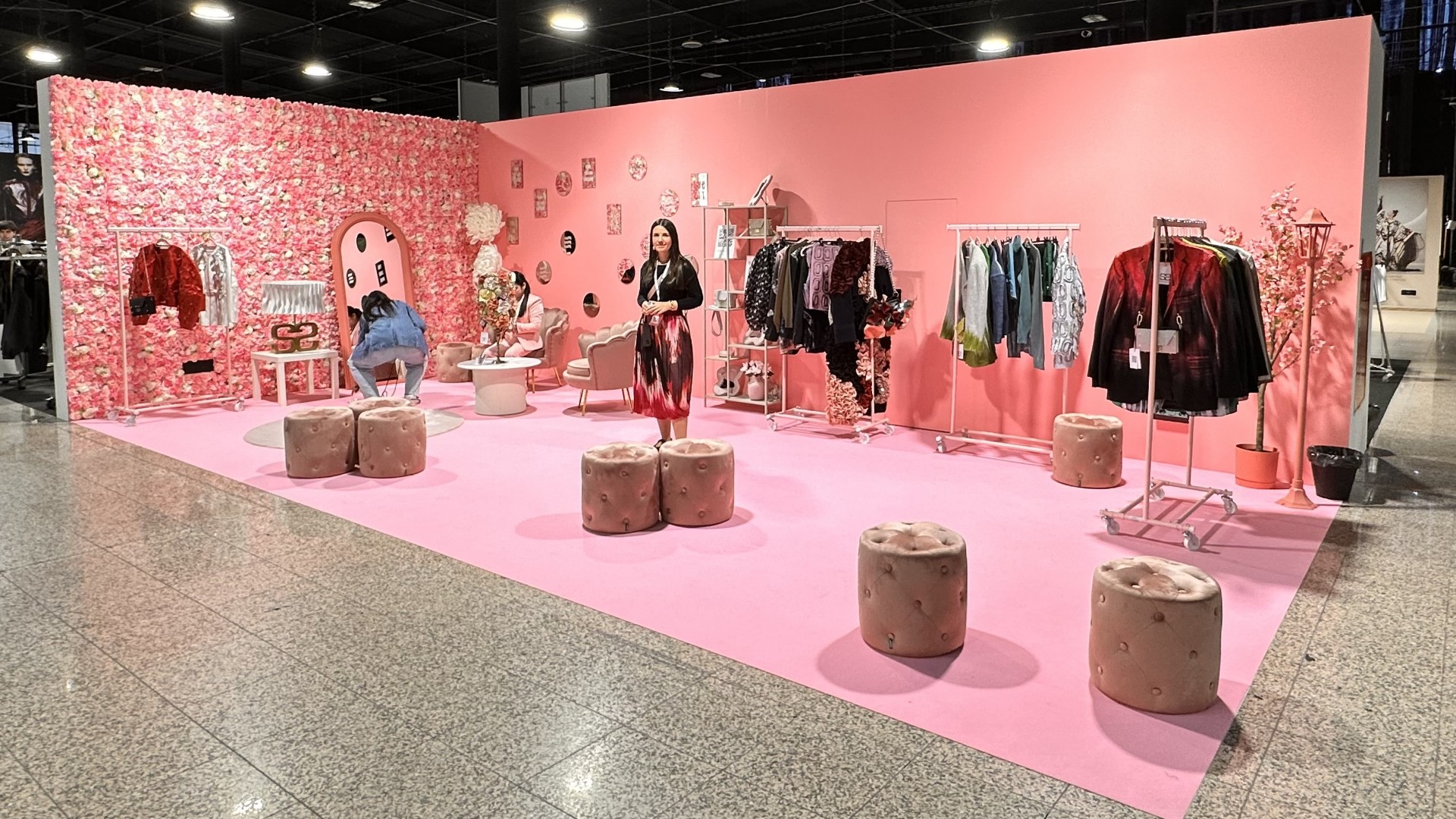
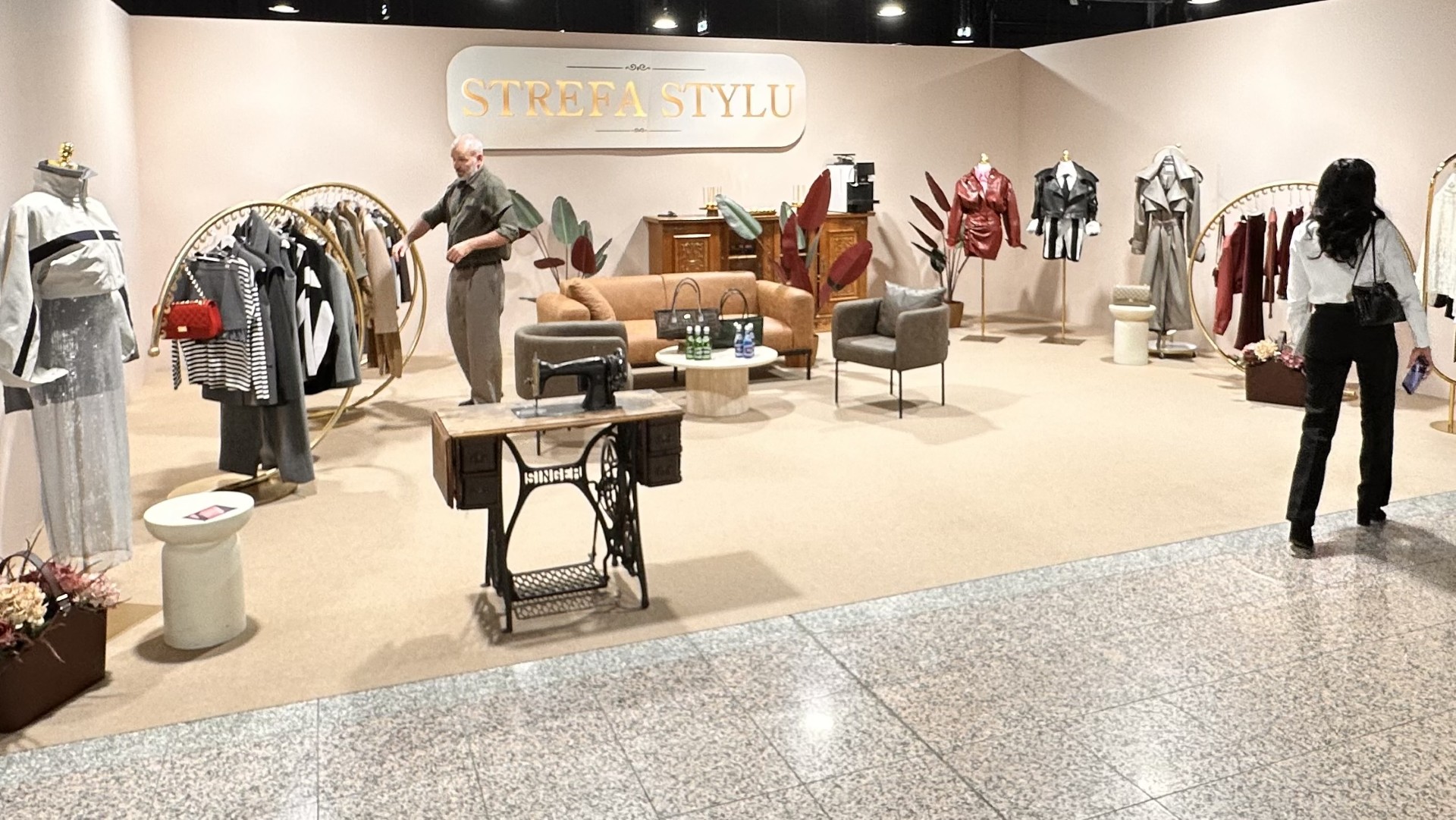
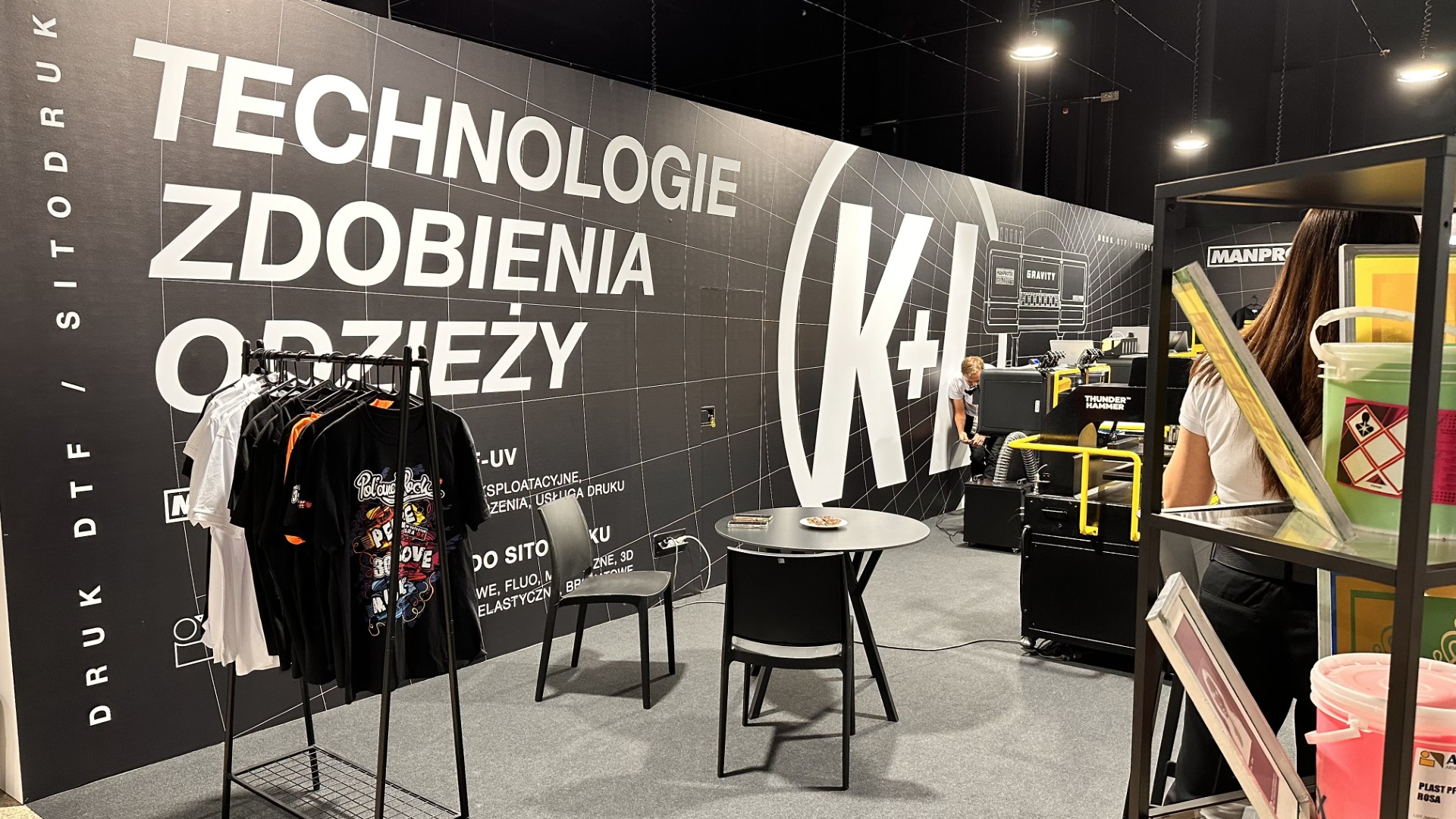
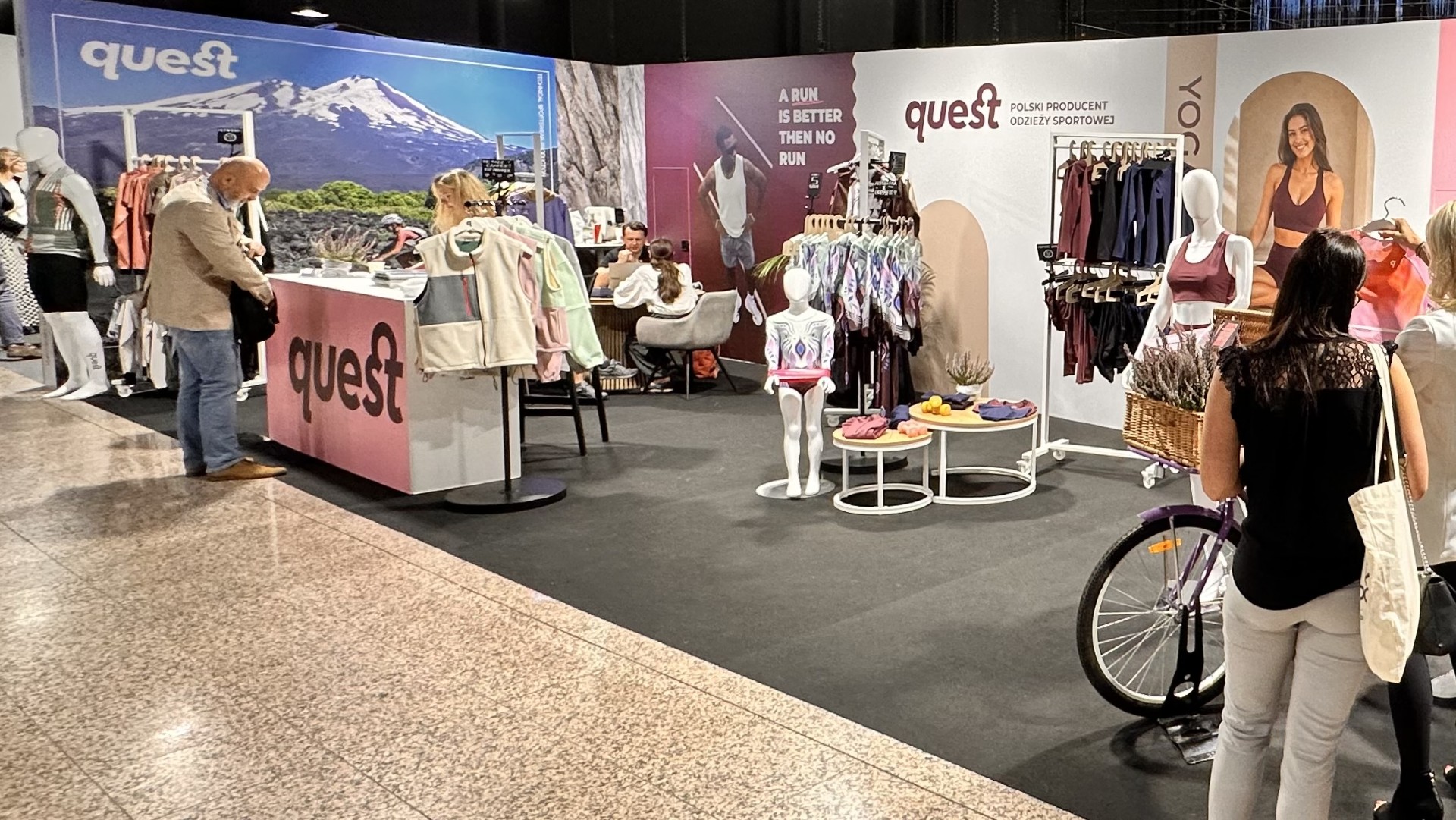
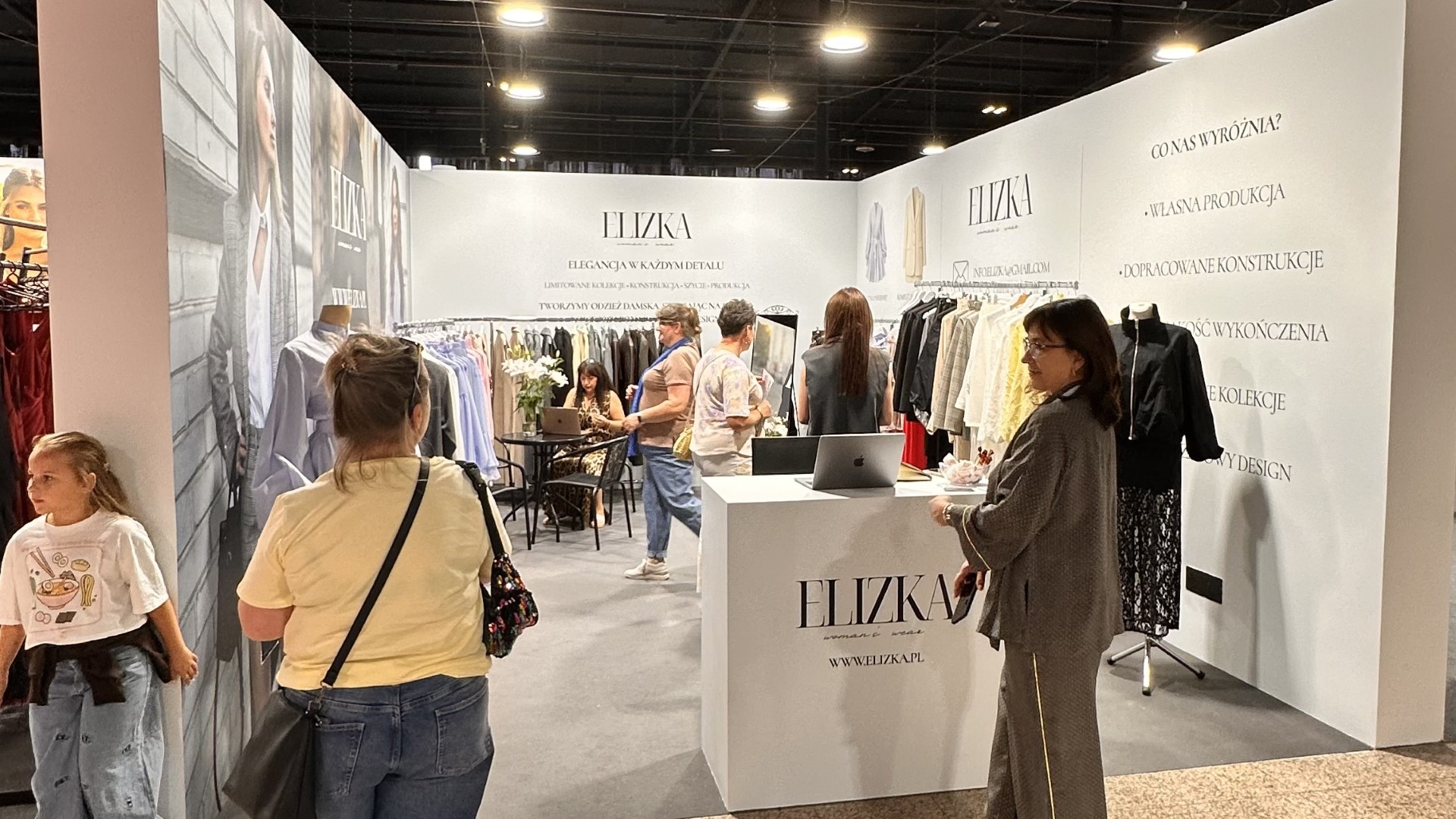
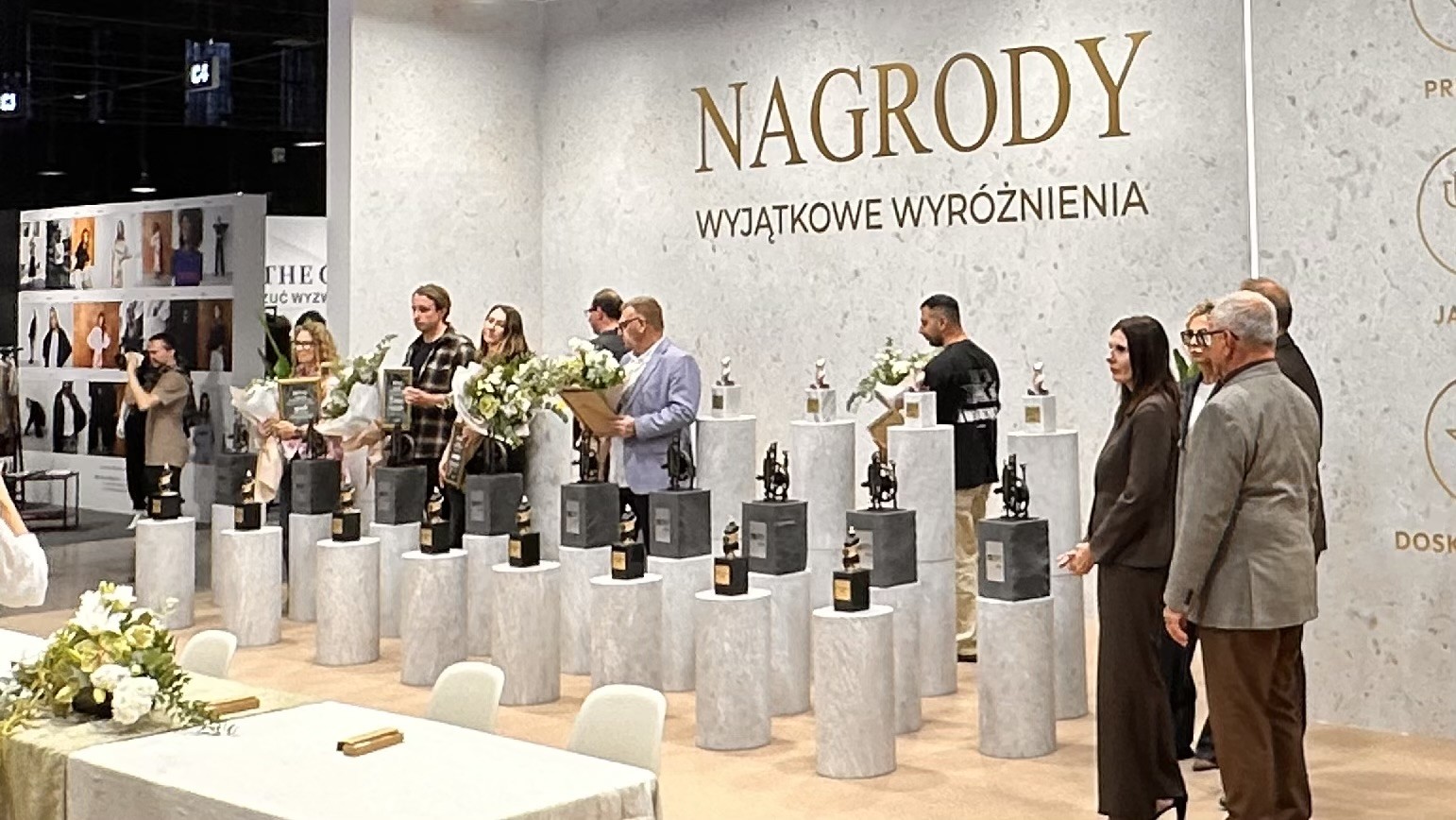
Attending Expo Trends 2026 was a valuable professional experience and an excellent opportunity to gain first-hand insight into current trends and developments within the apparel industry. Although Expo Trends 2026 is not one of the largest trade fairs in the sector, its more intimate format created a favorable environment for direct and meaningful conversations with exhibitors. During the event, I had several interesting and insightful meetings with Polish clothing manufacturers, which gave me a better understanding of their product ranges, approach to quality, production processes, and potential opportunities for future cooperation. One of the most valuable aspects of the event was the opportunity to exchange experiences openly, gain insight into different market perspectives, and establish new business contacts. The smaller scale of the fair also allowed more time for individual discussions and a closer look at the solutions and products presented by the exhibitors. Despite the relatively modest size of the event, I consider my participation in Expo Trends 2026 to have been very worthwhile. It was a valuable experience that enabled me to build meaningful professional relationships and gain a deeper understanding of the current needs, challenges, and development opportunities within the Polish apparel industry.

The world's leading trade fair for natural textiles under the patronage of IVN (International Association of the Natural Textile Industry). The fair combines sustainable fashion, accessories, and home textiles with expert knowledge of certification. This is where ecology meets social ethics – at the very heart of the green fashion industry. A visit to the INNATEX trade fair in Hofheim is an experience that moves you and opens your eyes to the powerful role ecology plays at the heart of the modern textile industry. It is not just business – it is a meeting with people who put care for our planet into every fibre and every stitch. As a professional specialising in process optimisation, I look at this event not only through the prism of finished collections, but above all through the structure of the supply chain and innovations in the "Green Fashion" sector. Walking among the exhibition stands, you can feel the passion. It is a place where innovation meets respect for nature, and where technology ceases to be a cold tool, becoming an opportunity for a better tomorrow. The sight of so many brands courageously choosing ethical production instead of taking shortcuts fills me with tremendous optimism. For me, as a professional, but also simply as a human being, it was a lesson in humility and inspiration. I returned convinced that creating beautiful things in harmony with nature is not only our future, but above all our shared responsibility. This is where the heart of fashion with a soul beats. I returned with my mind full of inspiration and my heart full of hope that ethical production is our shared, better future. I already feel excited about the next edition! Did you know that the journey from the first sketch to the finished garment does not have to involve piles of textile waste and hundreds of kilometres travelled? I invite you to watch our latest presentation of 3D visualisation of garments. It is not only a showcase of technology, but above all a manifesto of an ecological approach to fashion. Why is 3D visualisation a choice for the planet? Zero Waste: We create perfect prototypes without using a single metre of physical fabric. Lower Carbon Footprint: We eliminate the need to send physical samples between the sewing factory and the design office. Precision: Realistic rendering allows us to refine every detail before production begins, dramatically reducing the number of returns and unsold collections. Discover how digital craftsmanship is changing the rules of the game and making the fashion industry cleaner and more sustainable.

Is it possible to combine a love of animals with modern business? The Interzoo trade fair in Nuremberg proved that it is! As the proud owner of two Old German Shepherd Dogs and a Ragdoll cat, I followed the industry news with great interest, though my main focus remained on business. Attending the Interzoo trade fair in Nuremberg provided a platform for analysing the current technological needs of manufacturers in the pet sector. During numerous meetings with manufacturers of pet textiles, we discussed the sector’s digital transformation. The discussions focused on the implementation of integrated support systems: 3D design and visualisation, reducing product prototyping time; Product lifecycle management (PLM), ensuring full control over the process from concept to finished product; Optimisation of production processes, aimed at increasing operational efficiency. The substantive dialogue with business partners was supported by a unique end-user perspective – I combine technical knowledge with a practical understanding of the material and functional characteristics of pet products. Participation in this year’s Interzoo trade fair in Nuremberg confirmed that digitalisation is becoming a key element of competitive advantage in the pet sector. I would like to encourage you to plan your attendance at the next edition of Interzoo.


Frankfurt am Main | 21–24 April 2026 | Hall 8.0
The international trade fair TEXPROCESS is more than just a trade fair. Together with Style 3 D & Assyst, Contec sp. z o.o., we were present at the event, where you had the opportunity to discuss innovative solutions with me, exchange experiences and discover forward-looking solutions for textile products. Our latest CAD/CAM solutions for the textile industry gave the entire clothing, furniture and automotive sectors a glimpse into the future. You were able to visit us in Hall 8.0 at Stand B40, where numerous visitors had the opportunity to familiarise themselves with the world of software and 3D visualisation and to discover the world of robots. Customers were able to see how Style3D and Assyst, using AI + 3D + 2D, enable manufacturers to develop fashion and furniture products using innovative technologies and promote them directly across all sales and marketing platforms. During live demonstrations, Style 3D and Assyst showed how the Style 3D system integrates seamlessly with advanced cutters from Zünd and Bullmer, creating a cohesive and efficient production ecosystem. At the Zünd stand, we were able to see what this process looks like. Design begins in the Style3D environment, where the digital pattern is precisely mapped onto a three-dimensional model, ensuring a perfect fit of the graphics to the individual pattern pieces. The system automatically generates an optimal cutting layout that allows for selective printing of the fabric exclusively within the outlines of the stencils, eliminating ink wastage in waste areas. An advanced vision system reads registration marks and dynamically adjusts the cutter path in relation to the actual position of the print. Thanks to this full CAD/CAM integration, perfectly cut templates with an ideally positioned pattern are produced, whilst ensuring maximum material efficiency and full automation of the entire process. At the Koppermann Computersysteme GmbH stand, customers were able to find out about the latest solutions in the field of PLM systems and obtain detailed information on topics such as product lifecycle management, virtual fabric performance analysis and digital fashion design. I am looking forward to meet you in person at the TEXPROCESS trade fair in 2028 and taking the next steps together towards a successful digital future.

